
Indoor Air Quality Matters
A good starting place for removing toxins from your environment is AIR. Clean up your air at home and support your own health, your children’s health, and your pets health.
So, I’m sure you are just dying to know how our detox went last week! Overall, it went really well. My husband lost 5lbs and I lost 3lbs. As I said in last weeks post, weight loss isn’t really the main reason to do a detox but it often helps the process. But, reducing inflammation, eating easier to digest foods, and letting go of toxic water weight, gets the ball rolling.
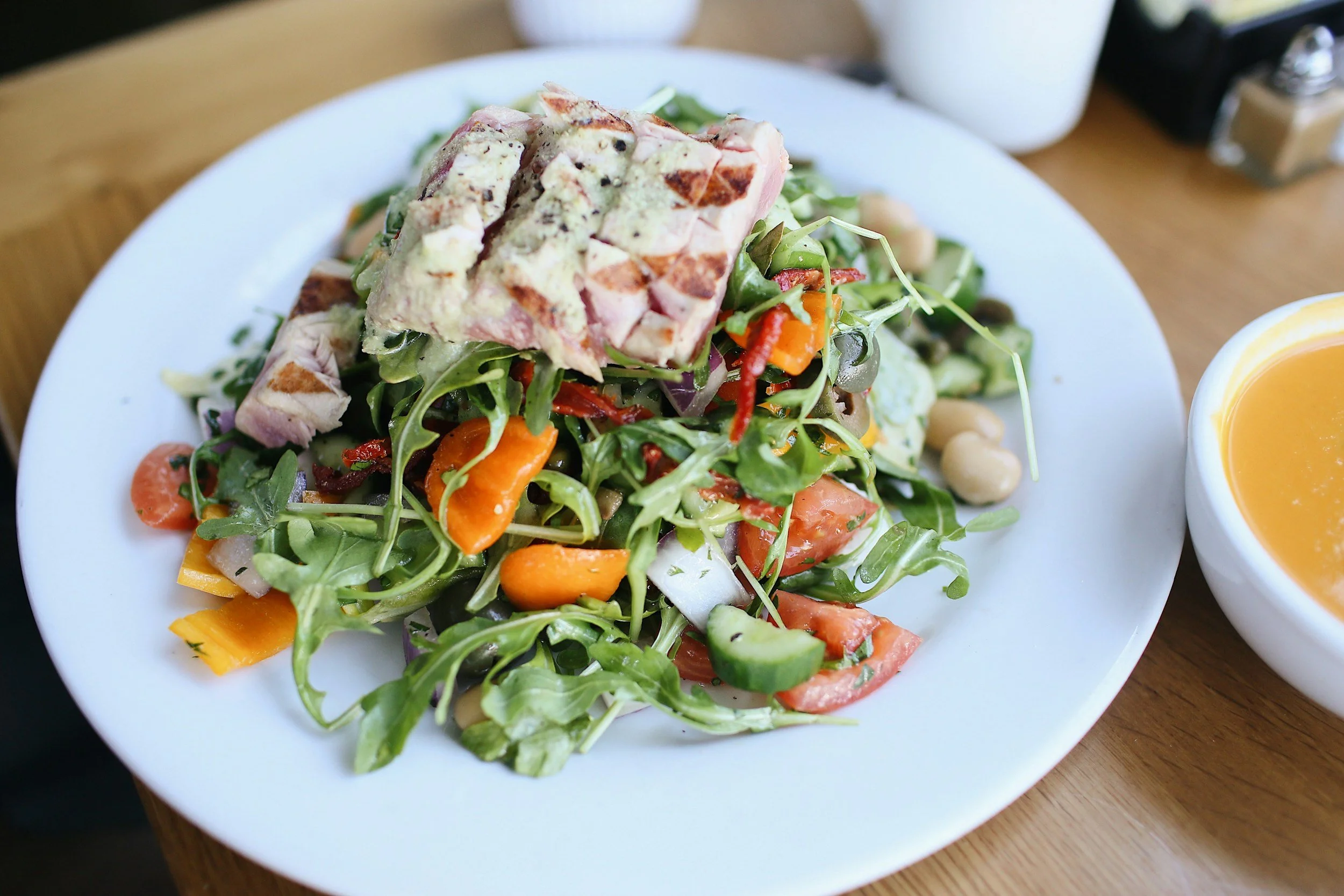
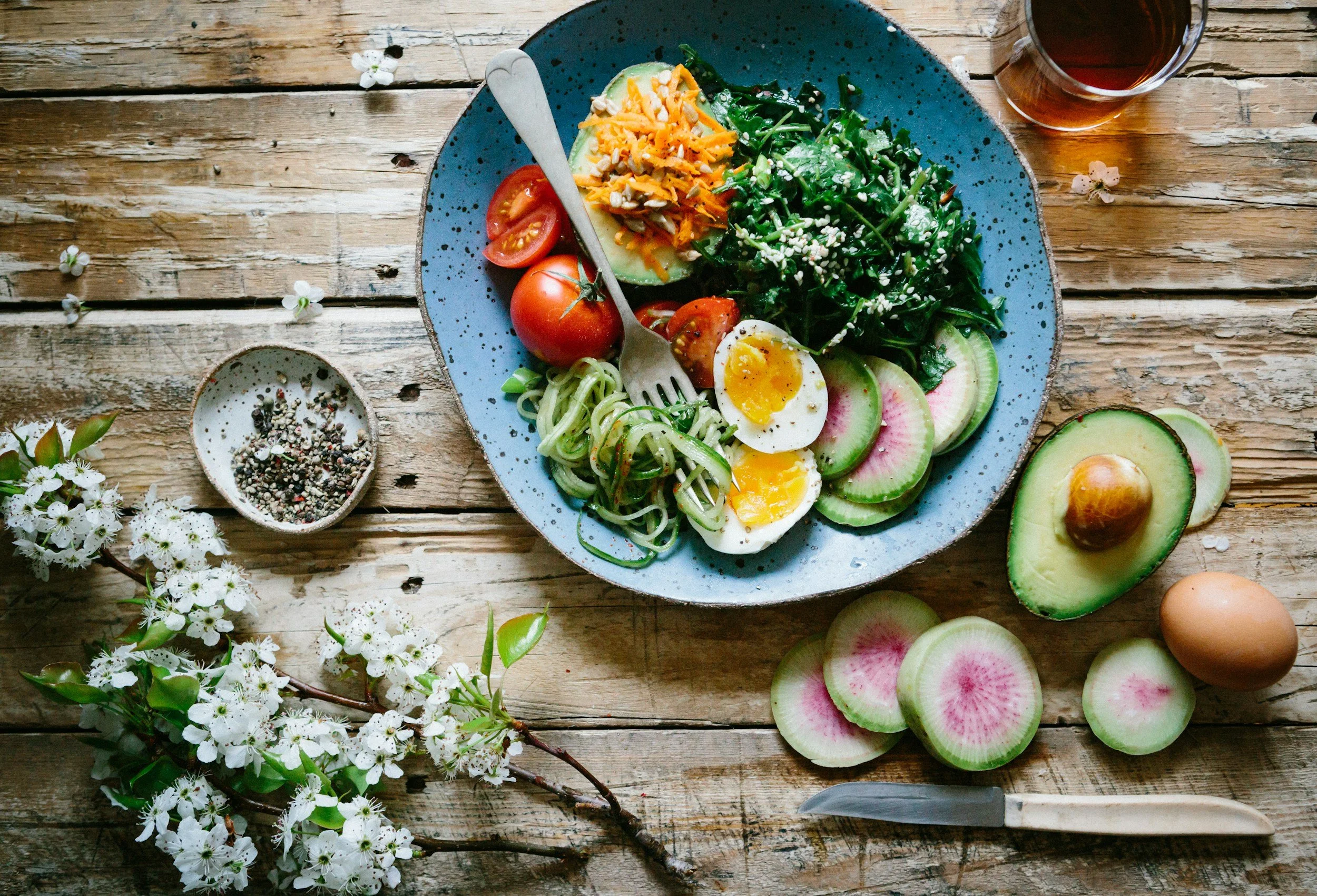
Simple healthy meals
I have felt like my energy has picked up and my mental clarity is sharper. Plus, I always love how I become more intentional with my food choices. I feel lighter and refreshed from eating lots of veggies and clean protein and reducing some of the digestive load on my body.
Now often times there are at least some negative detox symptoms as the body does some really hard work through the week. For me, I felt irritable and short tempered for about 2 days and I had some headaches the first 2-3 days. This could also have been exacerbated by PMS. I would not recommend doing this during your luteal phase and it was a bad move on my part! Cravings are stronger, irritability is already likely to be present, and then, of course, once my period started I had to contend with all of the effects of that. So, even though it seems like it would be a good time to cleanse the body (when the body is already cleaning house), I would not recommend it. My husband had some headaches and felt pretty sluggish. These are all common responses as the body is working hard to let go of toxins. So, we tried to just give ourselves extra rest, by going to bed early, we kept social engagements to a minimum and we didn’t take on any big projects.
Now that we are on the other side, I’m going to be very intentional in what I add back in to our diet and portion sizes. We are planning on 2 “flex meals” a week, where we can eat and drink whatever we want. Otherwise, we’ll do our best to stick to a very clean diet of fruits and veggies, clean meats, healthy fats, and quality carbs. I’m hoping this readjustment in our food along with continuing my walking routine and adding in some cardio and weight training over the next few months will help me lose those extra pounds. Being in your 40s isn’t for the faint of heart, am I right or am I right, ladies?! I’m looking forward to being in an even healthier and happier place in my life, so I’ll be able to keep up with my cute little energizer bunny. Aging gracefully and having lots of healthy years to live with my family is my goal and my hope for my husband, as well.
If you want more info on the Functional Medicine Liver Detox that we just did, check out my last blog post.
If you are interested in other ways to lower your toxic burden, so you aren’t putting all that pressure on your liver in the first place, looking at your air quality is a good place to start. I find it important to both aid my liver in the detoxification process regularly and reduce the toxins that are coming in.
We don’t often think about the air we breathe unless we are being warned about smoke from a nearby wild fire or maybe if you live in a big city dealing with smog and have breathing issues. Its easy to assume that the air around us is just fine unless there is imminent danger. But, there is a lot to think about when it comes to the quality of your air and how it greatly affects your body and brain.
What’s Wrong with Our Air?

Indoor air is often 2-5x more polluted than outdoor air, but can be as bad as 100x more polluted
Most people spend 90% of their time inside
Homes are designed to be more energy efficient, which also means that newer houses don’t “breathe” like older homes. They hold the indoor air inside and keep the outside air out.
New building materials off gas for months or even years after a new house build or a remodel
Natural sources affecting our air: mold, dust mites, pet dander, radon, etc.
Chemicals that we add to our environment (tobacco smoke, air fresheners, scented candles, dryer sheets, laundry detergent, etc)
The good news is that we have a great amount of control over our indoor air quality! We choose what we bring into our homes and use on a daily basis; therefore we are choosing what we put into the air that we breathe most of the time. What often goes overlooked are the chemical pollutants that we use every day. Obviously, at this point in time we all know that smoking is bad for our health, our family’s health, and our home environment. But, what about the other stuff?
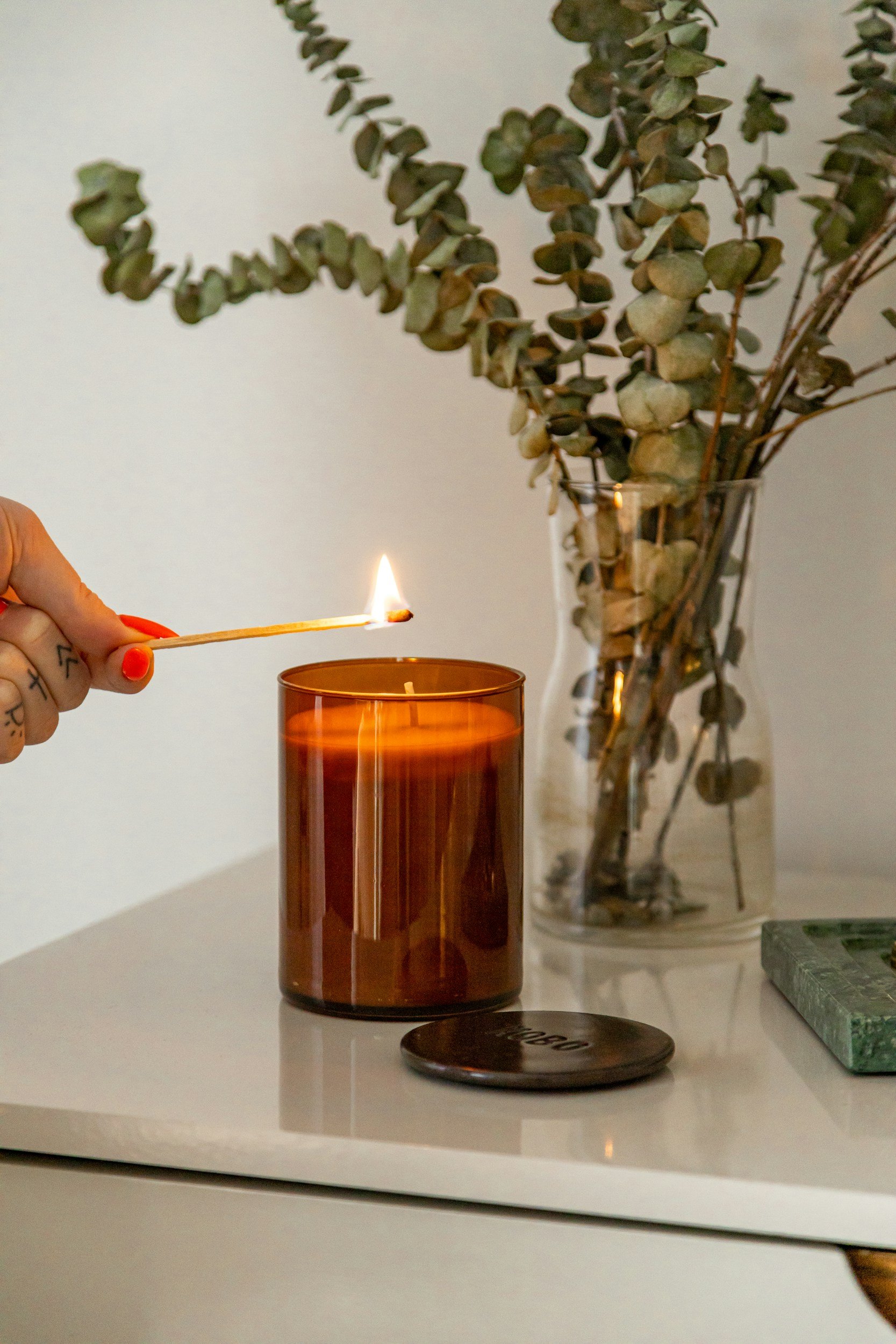
Cleaning supplies, air fresheners, scented candles, laundry detergents (including scent boosters and dryer sheets), bug sprays, body products, hair products, the list goes on. These products are often a cocktail of air pollutants that leave you and your family:
fatigued
headachy
burning irritated eyes, nose, throat
dizziness
respiratory problems (such as a chronic cough or asthma)
And these have been connected with even more serious problems such as
heart disease
infertility/hormonal imbalances
central nervous system problems
cancer
This all sounds really scary and it is! But, remember, there is a lot that you can do to change the trajectory of your family’s health (and your own) by making small consistent changes to your environment and lifestyle. So, how can you change the air in your home (and even, in some cases, your work environment)?
What Can I Do to Clean Up the Air I Breathe?
Throw open your doors and windows! Cheap, easy, quick. Our grandmothers knew to do this, but somewhere along the way we lost this simple tactic for keeping a fresh, clean home. Don’t pay money for toxic “fresh breeze” scent in a can, get the real thing from the outside! Do it even in the cold or hot weather, you only need to leave your doors and windows open for about 10-15 min. to allow an exchange of the old, stale, polluted indoor air for fresh, clean air.
Replace scented candles, air fresheners, plug-ins with a simmer pot on the stove (or even in a crockpot) that will add delicious smells to your home and increase the humidity in the dry winter months. When you feel like your skin is the Sahara desert and your nose is wanting to bleed in the middle of winter, boil some water on the stove. Toss in aromatics like cinnamon sticks, cloves, allspice berries, citrus peel.
Invest in a good air filter. This is the one that will cost some money, but it’s invaluable for really cleaning up your air, especially for people with allergies, asthma, or if you have small children (who are more affected by the air they breathe). Look for words like carbon, HEPA filter, Zeolite, UV light, Ozone (this one needs to be used cautiously and in certain circumstances but can be very useful). If you have to choose only one room to have it in, put it in a bedroom. We spend 7-9 hours a night sleeping in that room, not to mention any other times we might be hanging out in there.
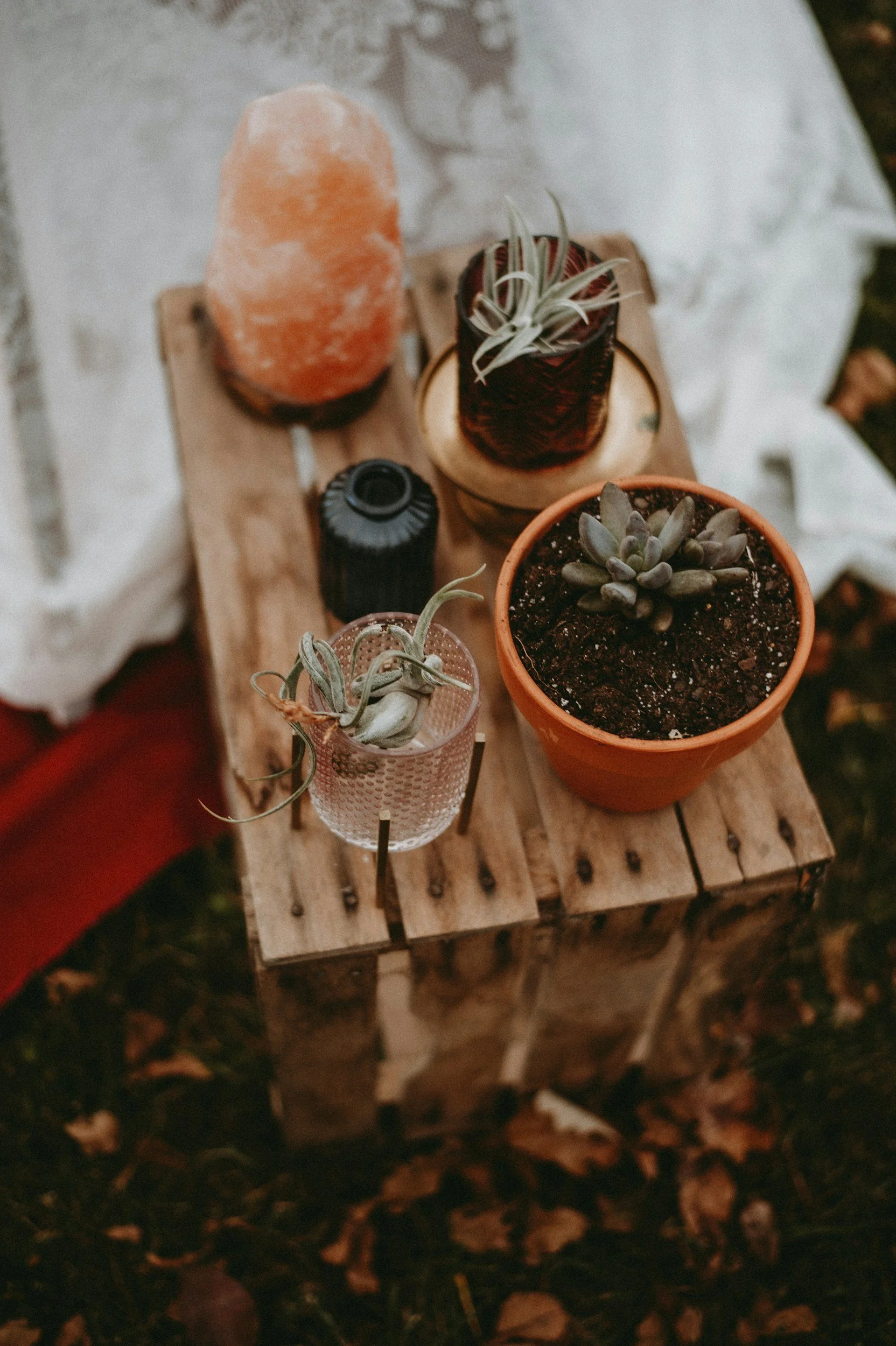
Salt lamps, plants, and beeswax candles can also be helpful in purifying and cleaning indoor air
Begin the process of replacing one product at a time that affects your air quality. Start thinking about those products I listed above. Many of them are loaded with respiratory irritants, hormone disruptors, and fragrances that lead to headaches and burning eyes.
Don’t be fooled by “green washing”, a common way that companies fool you into thinking their products are safe. Words like “green”, “natural”, or “clean” aren’t regulated and mean nothing. Looking at the actual ingredients or better yet, making your own for pennies on the dollar is the safest way. There are apps that can help you figure out which products are clean or toxic. EWG is a great resource and they have an app, as well. Look for fragrance-free or essential oils, not “unscented”…believe it or not, fragrance or other chemicals are often added to unscented products to cover over the smell of the other chemicals used.
Breathe easier in your home and your lungs and liver will thank you. You’ll be more capable of coping with the other elements in your life that are out of your control.
If you are interested in more details on replacements for specific products, let me know in the comments!

What is a Functional Medicine Detox? And Why Do One?
Is liver detoxification an important health measure or just a fad? Here are some good reasons to consider doing a regular detox and what to look for in a high quality Functional Medicine detox.
It’s detox week over here in the Deal household! My husband and I started our quarterly functional medicine detox on Monday morning and we'll be doing it all week. Aside from removing the toxic chemicals from our environment that we are able to, we also work from the inside out. We focus on helping our bodies release health disrupting baddies by working on liver health and clean eating. We like to do this quarterly, if we can, to help reset our bodies each season. I actually look forward to it, once I stop feeling sorry for myself and resisting giving up certain foods for a time. When I do a detox, I usually end up feeling lighter, less inflamed, a better mood, mindset, and more energy. And most of the time, I lose a few pounds. However, the goal of doing a liver detox is not about weight loss, it’s just a happy side effect for those who may already need to lose some weight.
So, you might be wondering, why would I need to do a liver detox? Isn’t my liver and the rest of my body designed to be able to handle whatever toxins (or toxicants) I come into contact with? Well, yes and no. We are designed to be able to process and release a lot of yucky stuff that might be harmful to our bodies, but the world we live in is significantly different than the world our grandparents and great grandparents lived in. Just 60 or 70 years ago, there were far less toxic chemicals in our environment, people were eating mostly whole food diets, they were spending a lot more time outdoors and moving their bodies than we are now. Our body was never designed to process the junk food, cleaning supplies, body products, alcohol, and polluted air and water that we have in our everyday lives now. The more overwhelmed the liver becomes, the more problems we begin to see in the body and brain. Imagine if you never cleaned your home’s air filter. It would become clogged and very little air would get through at all and it wouldn’t really be getting filtered anymore. In your body, this can start as small annoyances at first…more headaches, worsening allergies, inflammation, poor sleep, irritability, weight gain, and catching more colds. But, if left unchecked it can lead to more serious health problems. We have to take care of our liver, so it can take care of us!

Why it Might Be a Good Idea to Commit to Doing a Functional Medicine Detox:
You’ve been feeling sluggish, bloated, tired, and in need of a full body reset
You are struggling with weight gain or have plateaued in you weigh loss journey
You’re skin is looking dull or you are dealing with acne
You want a starting place for addressing some bigger health issues
You want to adjust your relationship with food and stop the constant snacking and cravings
Some people hear “detox” and they think it sounds scary, overwhelming, unsafe, too hard, or that it’s only for those weird, “crunchy” people who have nothing better to do with their time and money. Believe me, I’ve heard it all! And while there are some people that should not do a detox, for most of us, if done properly it can be a huge game changer.
Who Should NOT do a Detox?
Children under the age of 18
Pregnant and lactating women
People who have liver or kidney disease
People with gallbladder conditions, appendicitis, or type 1 diabetes
People with eating disorders
People who are taking a medication that is contraindicated with any of the ingredients in a detox
Possibly people who have a sensitive nervous system, anxiety, etc may need to modify and go slow with any detoxing
While it does take some work and planning to do, it’s not terribly hard. The main challenge is often more mental than physical. Rerouting our way of thinking about food and our habits is usually a lot harder for most of us than the physical part of enduring some hunger, fatigue, and headaches.
So, what do you want to look for in a good, reputable liver detox? Because, let me tell you, I’ve had my experiences with poor quality or super strong detoxes before and that is not a position you want to find yourself in, if you can help it! You don’t want to end up in the ER, talking to a skeptical doctor about some crazy detox you did.
What to Look for in a Detox
Science-backed products (Is there research saying that the ingredients have been studied and found to aid in liver detoxification?)
Non-GMO, no artificial colors, flavors, gluten, or other additives (these are a big part of the reason why you are detoxing in the first place!)
3rd party tested for purity
Certifications (such as cGMP)
Focuses on phase 1 & 2 of liver detoxification, plus mobilization for getting that junk out of your body
Functional Medicine Detox meaning it’s been designed to work along with your body systems and not forcing the body to do anything too extreme
Used in clinical practice (has this detox been used on real people and had consistently good results?)
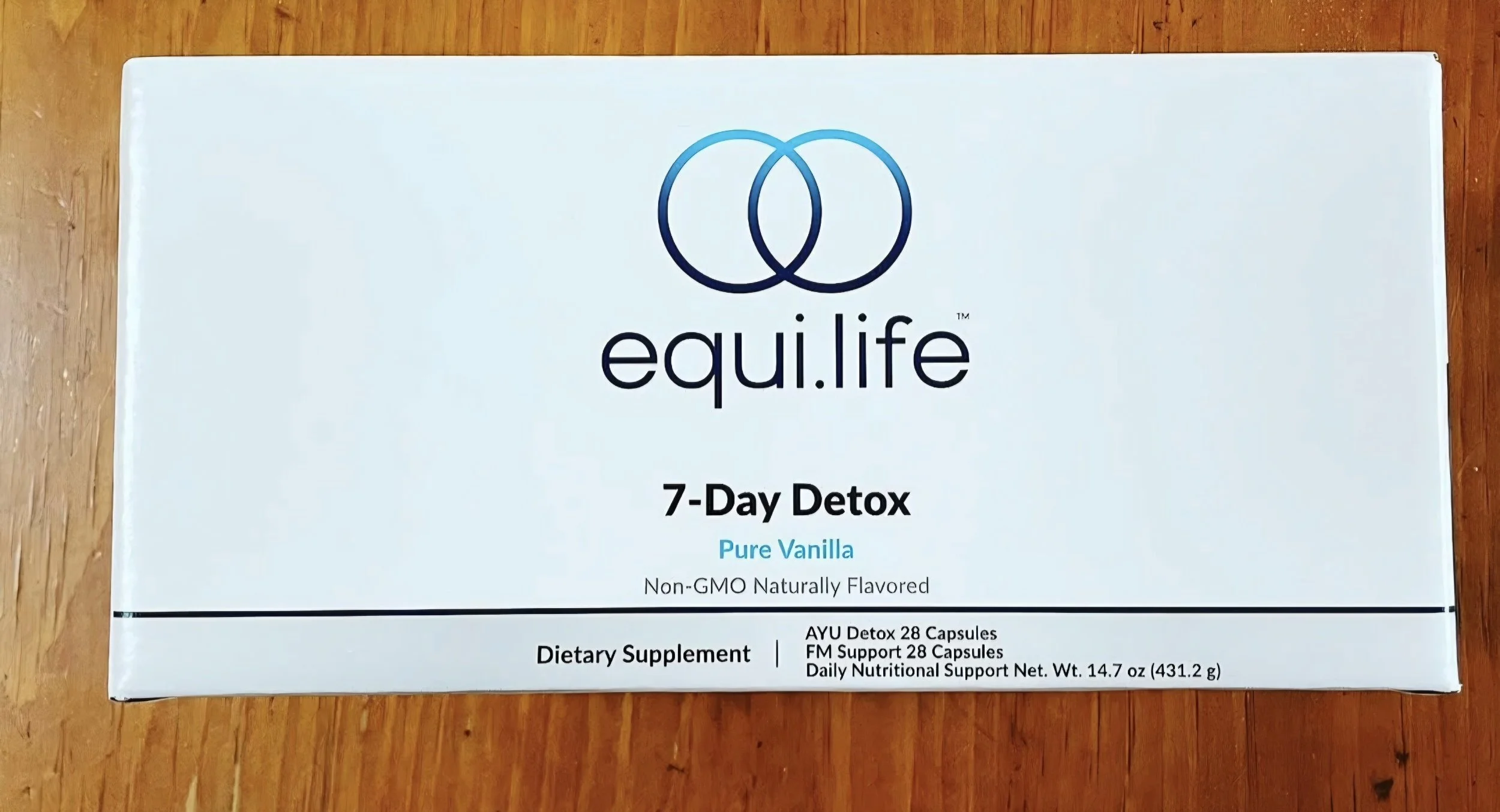
The detox kit that I recommend is from Equilife
The detox that my husband and I use and that I recommend to clients is the Dr. Cabral Detox. It was a major step in my healing journey about 6 years ago and the first big step in a series of protocols and lifestyle adjustments that enabled me to lose weight, regain my vitality, and eventually end up pregnant after nearly 20 years of infertility. This particular detox was created by a functional medicine doctor and naturopath, it has clean ingredients, the shake isn’t gross (like a lot of health and protein shakes out there!), and this detox comes with an eating plan and tips for success.
Disclaimer: I do make a commission on some of the products I recommend. But, regardless of commission, I never recommend products I don’t stand by. And if there is ever a time where I feel that I can no longer, in good conscience suggest a certain product…I won’t. Also, I will be honest about whether or not I think a particular individual client is a good fit for a specific product or supplement. That’s what health coaching is all about. If you would like personalized assistance from me as your health coach, click here to schedule a free discovery call.
So, what does a typical day on this kind of detox look like?
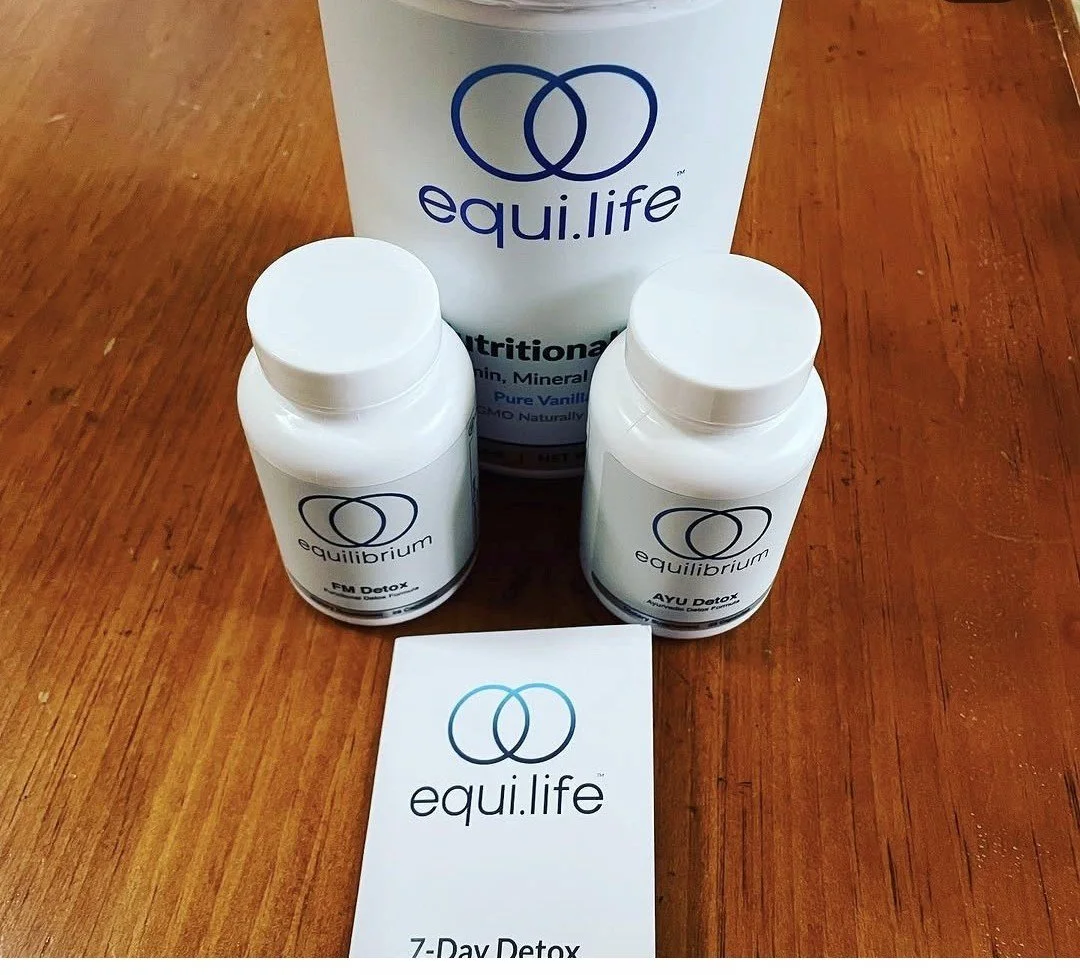
Everything is provided, including a food list.
Well, the first two days are fasting days, for those who can tolerate it. And resistance to this is often much more of a mental thing than a physical inability. The research on periodic fasting it fascinating and extensive. However, this detox is easy to modify for individual needs. Days three through seven consist of a breakfast of the Daily Nutritional Support Shake and 2 supplements. The shake is like a multivitamin, protein shake, and gentle detoxifier in one, it also helps get the body to start flushing those toxins out. The first supplement utilizes vitamins, minerals, amino acids, and herbs to help with detoxification of the liver. The second supplement uses Ayurvedic herbs that have been used for centuries to gently detoxify the body. Lunch consists of a vegan protein, veggies, and a bit of high quality, unsaturated fat. Snack is another shake. Dinner is a paleo style meal with an easy to digest protein, veggies, and unsaturated fat. Then you take your 2 supplements with dinner. Not too bad right? The point is to nourish your body with high quality, easy to digest meals while taking the pressure off of your system by removing grains, dairy, sweets, alcohol, anything artificial, and difficult to digest foods.
If you are ready to take control of your health and take actionable steps to help yourself feel your best, reach out and let me know! Stay tuned for my continuing series on toxins and how to clean your up your environment one step at a time.

What is Low Tox and Why Should It Matter to You?
We are surrounded by thousands of manmade chemicals in our environment. Does it really matter? Aren’t our bodies made to handle detoxification in the background? How can we make better choices to reduce our toxic load?

Hello my lovely friends! I am coming to you from a very fickle March in Southwest Virginia. One day it’s freezing and snowing and two days later it’s in the 80’s and my allergies are going nuts! I can’t say I love the drastic fluctuations, but I do like the big fluffy snow we get in March and I love the promise of spring and starting to see the flowers and trees begin to bloom. I’m starting to feel more energized and ready to start new projects! I’m getting ready to do a functional medicine liver detox to help my body gently get rid of excess toxins that I’ve accumulated over the winter, both from internal and external sources. My super supportive husband often joins me when I do one of these detoxes and we both usually feel a lot better afterwards. But, before we talk about liver detoxes, let’s discuss where our biggest exposure to toxins come from and why a person might think about doing a detox in the first place.
If you are at all in the health world on the internet and social media, you have probably seen references to “Low Tox” or “Lower Tox” lifestyle or swaps. This simply refers to low(er) toxins in your home and on your body. Some times people can get a little carried away with trying to make everything in their world have zero toxins, which as I discussed in last weeks blog post, that is impossible in the world we live in and probably is just adding to your stress, which is also toxic in it’s own way. The word “toxic” in itself has become a bit of a buzz word lately and that is kind of annoying. So, first off, let’s define what a toxin is…
Toxin - this word, although commonly used to refer to chemicals, actually is in reference specifically to poisonous, naturally occurring substances, such as what might be produced by a bacteria or plant or animal.
Toxicant - this is the technical term for what people are referring to when they talk about products that are created from man made chemicals that are poisonous to our bodies and brains.
Why does it matter?
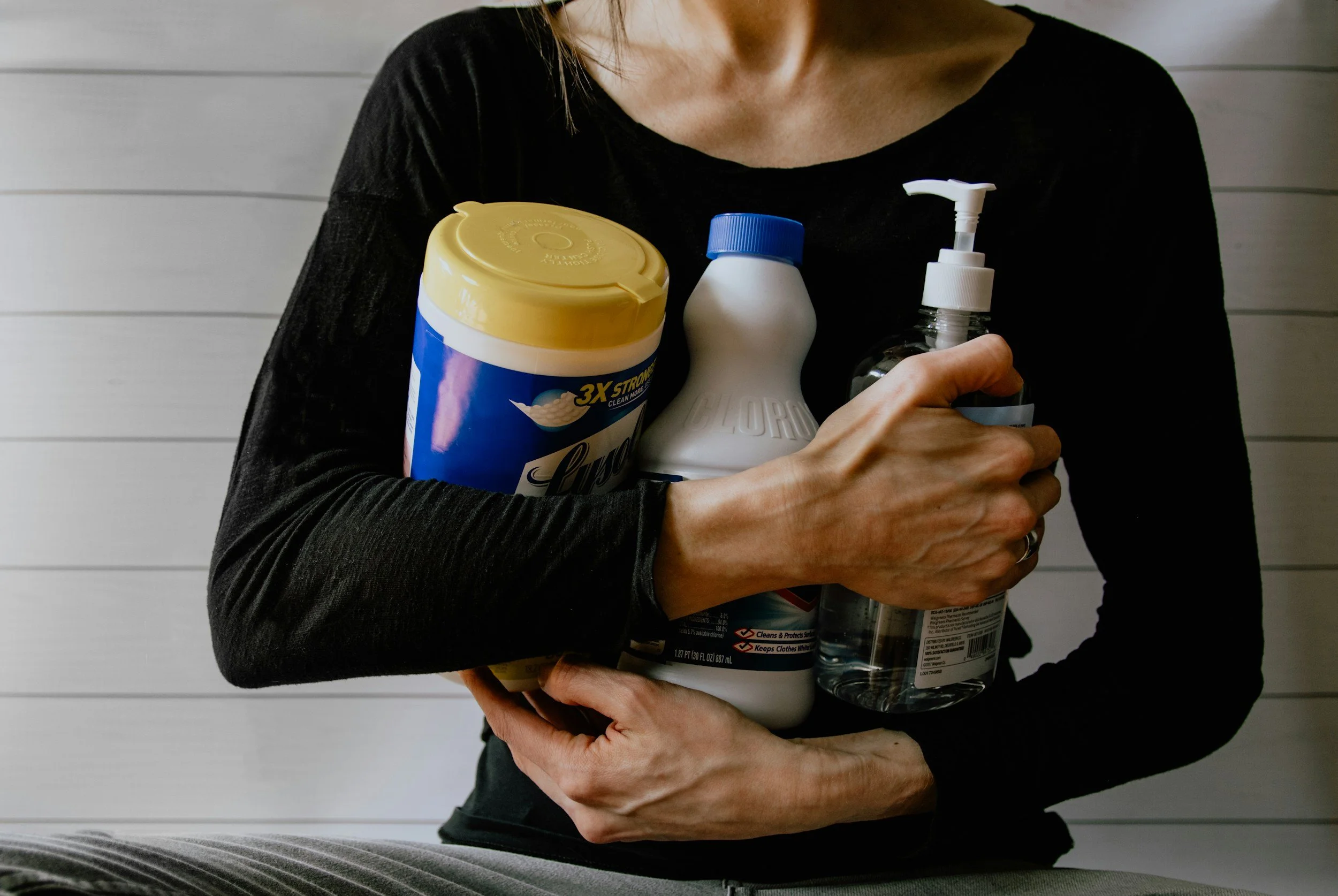
We are living in a world with over 100,000 man made chemicals circulating in our environment at any given time! While our bodies (our liver specifically, but we have many body parts that work on detoxing all day everyday) might be able to cope with a handful of these chemicals and efficiently purge them from our system, expecting them to be unphased by the onslaught of chemicals these days is just asking for trouble. These chemicals are present in our water, air, body products, food, cleaning supplies, etc. They can contribute to a miriad of physical, mental, and emotional health problems. Many people find that once they remove some of these ever present chemicals from their environment, they have less skin rash, headaches, allergies, and some have even more dramatic improvements. Many of these chemicals have been studied and are known to contribute to infertility and other hormone imbalances, chronic respiratory problems, affecting the central nervous system and even leading to certain types of cancer!
Some of us do have an extreme reaction to certain chemical exposure. You may have someone in your life that has chemical sensitivies. But, just because you don’t have an obvious, intense reaction when you get in a room with someone wearing perfume or when somebody’s clothing is off gassing laundry detergent fumes in your general direction, do not be fooled into thinking that you and your family members are not being effected by these powerful toxicants inside your own bodies! I cannot be adamant enough on that point! Some of us are the canaries in the coalmine, so to speak…we feel it most intensely and sooner than others. But, remember that these chemicals have been studied and proven to be dangerous, toxic substances and the fact that we are surrounded by them on a daily basis means that they add up and take their toll eventually. This is not to panic or shame anyone, we are all doing the best we can with the knowledge we have. And, when we KNOW more…we DO more.
What to do about it?
While we can’t control the world around us and we don’t want to become too paranoid to enjoy our lives and our time with friends, we can take control of our own environments and make some key shifts that will drastically decrease our exposure to chemical toxicants. This really matters if we want to raise healthy children, keep our pets with us for as long as possible, and keep our own energy, vitality, and wellness long term. But, the thought of overhauling your world may seem just a bit…daunting! That’s why it’s a good idea to take baby steps and follow along with my future posts as I guide you through which products to change out, how, and why. I’ll also share as many money saving ideas as I can, since I know many of you have avoided making these changes because they seem too costly. I promise, there is a lot that can be done within a reasonable budget and maybe you’ll even save money on the things you realize you don’t need to buy anymore!

Some of you who are followers of my Instagram account may recognize this information, as I did a series on reducing toxins over there. And I’m excited to expand on that and fill in more details in this longer format.
Where to start?
Coming up, I’ll be writing posts on how to clean up your water, air, cleaning supplies, body products, laundry, and food. And you are very likely going to find something that works for you no matter your situation. Look forward to having less rashes, breathing easier, having less brain fog, and a more positive mood from cleaning up your own personal environment! What is an area that you would like to make less toxic in your environment? Let me know in the comments.

Don't Let The Perfect Be The Enemy of The Good
Sometimes the overwhelm of trying to do everything “just right” in our lives, for our family, with our job, for our health ends up just burning us out. How can you tackle these big life goals without thinking in terms of all or nothing?

Well, this last week was a doozy, but I'm back and ready to start a new week off on the right foot.
I would consider myself a recovering perfectionist. Most days, I try to do my best to handle my life without being overly fixated on doing everything just right. I'm not an obvious perfectionist…my house isn’t perfectly tidy and clean and I don't look like I always have my life together. But, I'm the type that resists starting something if I feel like I won’t be able to do it exactly right. I fret about it not being good enough. I’m sure many of you struggle with the same feelings.
So, how is a perfectionist supposed to handle living a healthy lifestyle while maintaining balance?
I love the Voltaire quote “the best is the enemy of the good”. I think of that concept often. Especially at this very moment, since I wrote up this entire blog post and then it just evaporated!! Rookie mistake. So, I walked away from the laptop and focused on something else for an hour to let myself cool down and start all over again. Perfectionism makes me keep thinking about all the words I wrote and lost and how this second version won’t be as good as the first and how I might be late posting. But, done is better than not done. Good is better than procrastinating till we get things “perfect”. Just keep moving forward. It’s a lesson I keep relearning every single day.

So, when it comes to health and wellbeing, we have a lot of influencers and the internet in general telling us we are going to die if we don’t do all the things and if we don’t commit to doing them perfectly and consistently. But, that added stress and worry of what all we should be doing stops many of us from even taking the next good step in our lives. We seize up. Or we say “Forget it, what is the point of trying if there is so much I’m supposed to be doing to stay healthy. I may as well just eat the Cheetos and binge watch my favorite show till 1 AM.” Believe me…I get it.
How about instead of trying to be perfect (which isn’t possible for any of us anyways), we strive for good? How does that look in our day to day lives, when it comes to health and wellness?
Instead of falling into a pit of dispair over breaking down and serving our family chicken nuggets, french fries and green beans one night after a very busy day, because we know ultraprocessed foods are very bad for us…why not try looking for a few convenience foods to have on hand that have fewer ingredients that you can actually pronounce and use those in a pinch? Maybe you serve organic chicken nuggets with frozen organic peas and the fries aren’t full of sketchy oils and artificial flavors.
Or maybe you feel like you just can’t afford to buy everything organic, but you wonder if it’s even worth it to buy veggies that have been sprayed with Roundup. With the skyrocketing food prices, this is a very real problem for many of us. Hear this…eating whole, real, minimally processed foods will always beat eating ultraprocessed, manmade, chemical laden, fake food. So, buy the real meat, vegetables, and fruit. It will still serve you and your family and you will probably save money over a lot of the conveinience foods anyways.
Another way to address this problem is to look for the “Clean 15” and “Dirty Dozen” lists. Every year new lists are released showing the produce that is the least sprayed with chemicals and therefore safe to buy the conventional version (non-organic) and that list is called the “Clean 15”, the other list is the “Dirty Dozen” AKA the highest pesticide sprayed produce. Save money by following those lists and either avoiding the dirty dozen altogether or buying those only when you can find them organically grown.
Maybe you struggle to keep a workout routine and you know that you should be doing some cardio and lifting weights for your long term health. Instead of throwing in the towel and deciding it’s just too hard to manage, as I have in the past. Try to slowly build up to a sustainable routine, starting with walking daily. If you miss a day, don’t beat yourself up. It happens, just keep going. On a day where you know you won’t be able to squeeze in a workout, build movement into your day as best you can. Walk as much as you can when you do your errands or housework. Play a physical game with your kids or take them on a walk around the neighborhood. Flex your calves under your desk at work and get up and move at least every hour.
What if you just don’t have time to take a 30 minute soak in the tub, get a massage, and spend an hour meditating? That’s ok! Maybe all you can manage is 5 or 10 minutes to yourself, where you take a few deep, cleansing breaths, read a scripture, and feel some gratitude for the good things in your life. That is still going to make a difference!
Many of us know that we are being innundated with toxic chemicals in nearly every area of our lives. That can cause a state of panic that isn’t healthy and makes it really tough to live a peaceful life in this world. Instead of painicking and replacing everything you own, try to look at the areas in your life that might affect yourself and your family the most and do your best to upgrade those things as time and money allow. This is also the reason that I try to do a seasonal functional medicine liver detox quarterly. Our livers were not designed to process all these toxins. It puts my mind at ease to know that I’m aiding my body in releasing the toxins I do come in contact with on a daily basis.

I’m often surprised at how those little things really do add up. Like going out and picking daffodils with my little boy and putting them in a mason jar on our dining table. Those bright, cheerful, yellow flowers make me smile every time I’m in the kitchen.
So, don’t let perfect be the enemy of the good! Small steps matter. Good is good enough. And tomorrow you may find that you have the capacity and the confidence to do better because you didn’t spend today beating yourself up for not doing enough.
Let me know in the comments if you like getting little tips like this and areas where you feel like you struggle. Have a beautiful day!!

5 Reasons to Try a CSA
What exactly is Community Supported Agriculture and why might you want to try it? Learn about one of the best ways to get fresh, local, and organic produce every week!
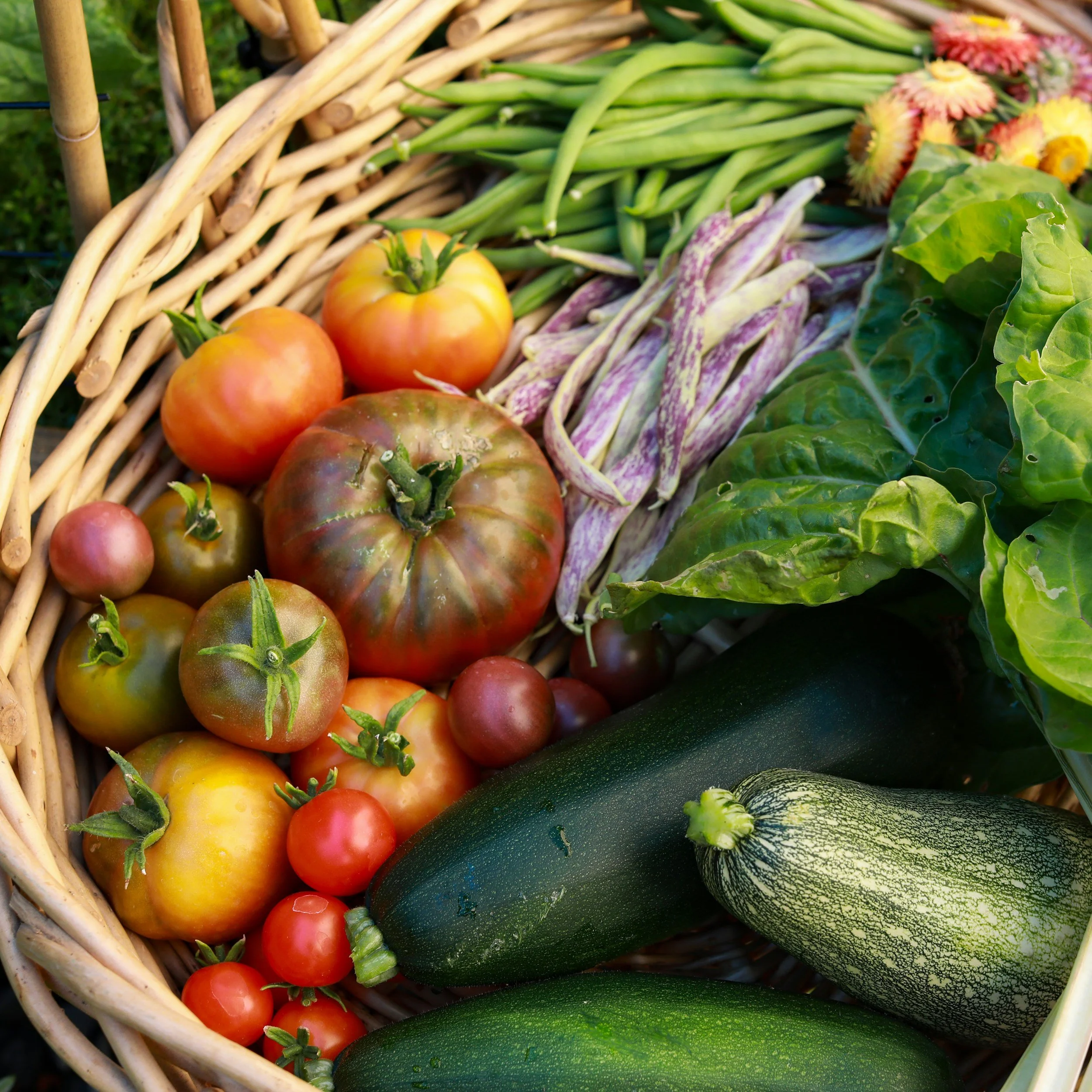
I have been using a CSA off and on for 20 years. So, I’m often surprised when I mention it and people don’t know what I’m talking about. So, first off, what is a CSA?
CSA stands for Community Supported Agriculture, sometimes it will be called a farm share.
The concept is simple, local farmers offer a subscription program where your money is used to help them operate their farm and grow veggies (and possibly also fruit and animal products) and in turn, you get a weekly share of whatever is grown.
Depending on the program, you may drive to the farm to get your food or, more often than not, there will be various local drop off points where you can grab your bag each week.
Some CSAs have a “working share” and “non-working share” option. With a “working share” you go to the farm for a certain amount of hours and help with tasks. This is the cheaper option and is really great if you would love to get a taste of working on a farm or if you have kids that would like to have that kind of experience. The “non-working shares” are just what they sound like, you don’t work on the farm and you pay a bit more to simply receive your produce.
Each CSA is different, some just deliver whatever they’ve grown and what’s in season and you don’t get to choose what you get. Some let you choose. Most of them will let you leave out things you really dislike and get extra of the things you love, if they have any. Many send a weekly newsletter about the farm and produce. Many offer large shares and small shares, so you can choose based on the size of your family.
In my personal experience over 20 years with at least 4 different CSAs, it has always been worth it. I’ll tell ya why…
#1 - Access to the Freshest Produce Around
Even when you buy organic or you have a super cool grocery store that offers excellent quality produce, it has likely had to travel quite a distance to get to the store. Then, it sits in the store for days (or longer) waiting for you to take it home with you. Finally, it may sit in your fridge for another few days before you use it. Studies have shown that the longer the time between harvesting and consuming your fruits and veggies, the more nutrient loss. So, if you get locally grown produce, you are going to have a lot more phytonutrients, vitamins, minerals, and antioxidants available to you through your food. Aside from growing your own food, which is ideal, a CSA or the farmer’s market is the best way to do that. Also, your produce will have been picked at the perfect time, it will be ripe and have the best taste and texture possible. And much of the time, they use organic practices, even if they haven’t been able to get certified. So, you’re getting less pesticides on you food, too!
#2 - Getting a Chance to Try Different Types of Veggies and Fruits
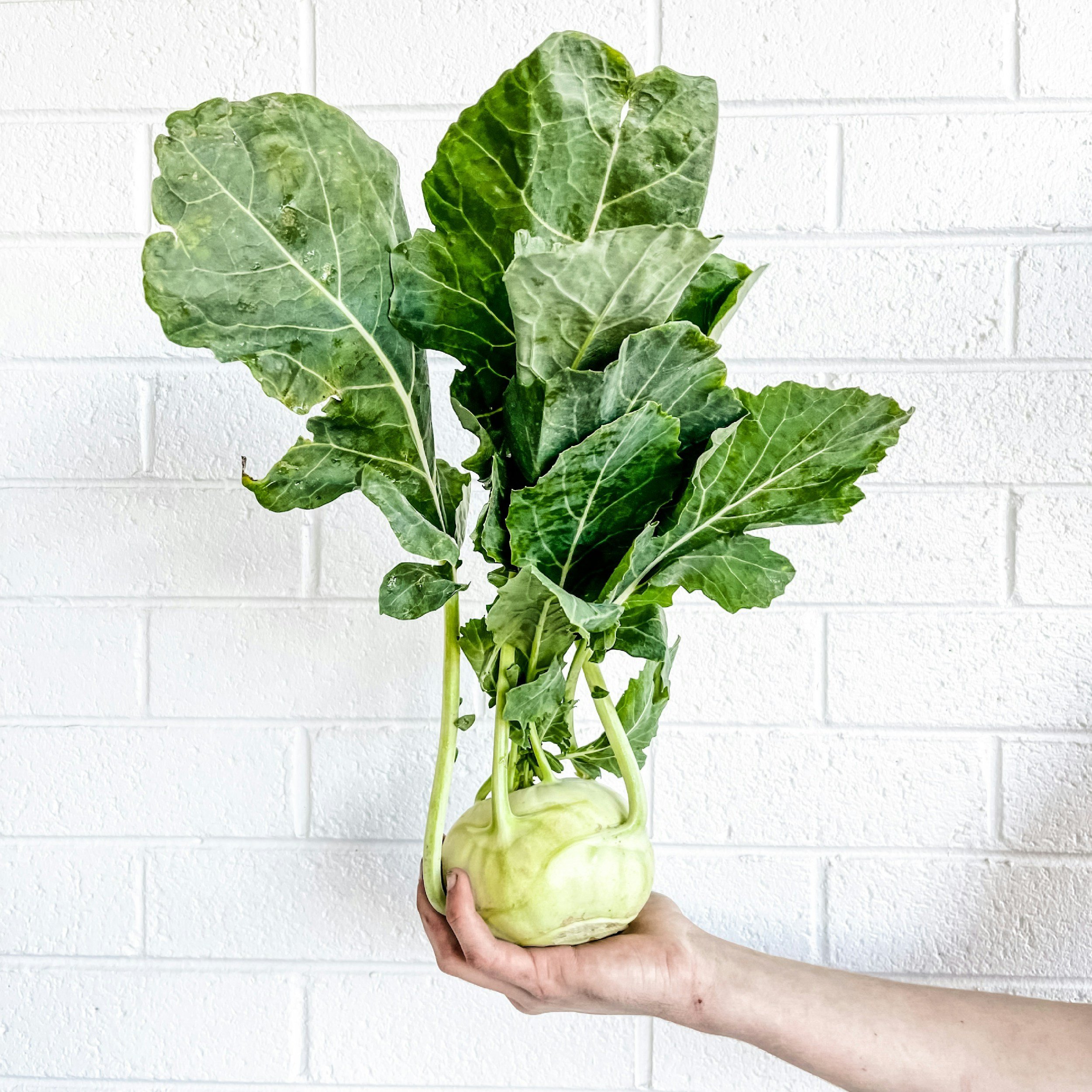
Most local farms are not going to be growing the same varieties of produce you’d find in the store. This is a good thing! They will be growing the food that grows well in your area at that specific time of year. They will also choose a type of tomato or carrot or broccoli that is suited to your area and has superior flavor and texture. And it becomes a culinary adventure to decide what you will do with these lovely veggies! Instead of choosing recipes and going to the store to just grab the produce that shows up in the recipe, you can build your menu around the produce you received that week. Finding creative ways to use my CSA box has been really fun for me and my family.
#3 - It’s Economical
If you can’t grow your own garden, which is definitely a great way to save money on healthy food, this is probably one of your more inexpensive ways to get produce. I have found that we usually get more than enough veggies each week to feed our family. Sometimes, I admit, I’ll have an off week and get a bit overwhelmed by how much produce is hanging out in my house. Then, I have to get a bit creative to use it and try not to waste anything. Currently, I have 4 or 5 winter squashes sitting in my kitchen! At least those keep for awhile. Also, when there are extras, the farmers will often throw in unexpected treats. I have received surprise fruit, flowers, and unusual veggies in my boxes in the past.
#4 - It Really Helps Us Meet Our Daily Fruit and Vegetable Servings
I don’t know about you, but I can find getting 7-9 servings of fruits and veggies a day a bit…daunting. I continue to work on it, because I firmly believe that this is a big part of a healthy and long life. When I am not with a CSA and relying on myself to plan out and buy enough produce for our whole family to consume the appropriate amount, I inevitably fall short. I will choose recipes and order what is called for and then I might buy some fruit for snacking or breakfast, but it’s just not enough to meet the daily requirements. And if I did manage to buy all that produce at the grocery store, it would probably cost me a mint! When I have a weekly CSA delivery, I feel like we are getting more produce than I would probably buy at the store and we feel compelled to eat it, because we paid for it, it’s already in our house, and we don’t want to waste it.
#5 - We are Supporting Local
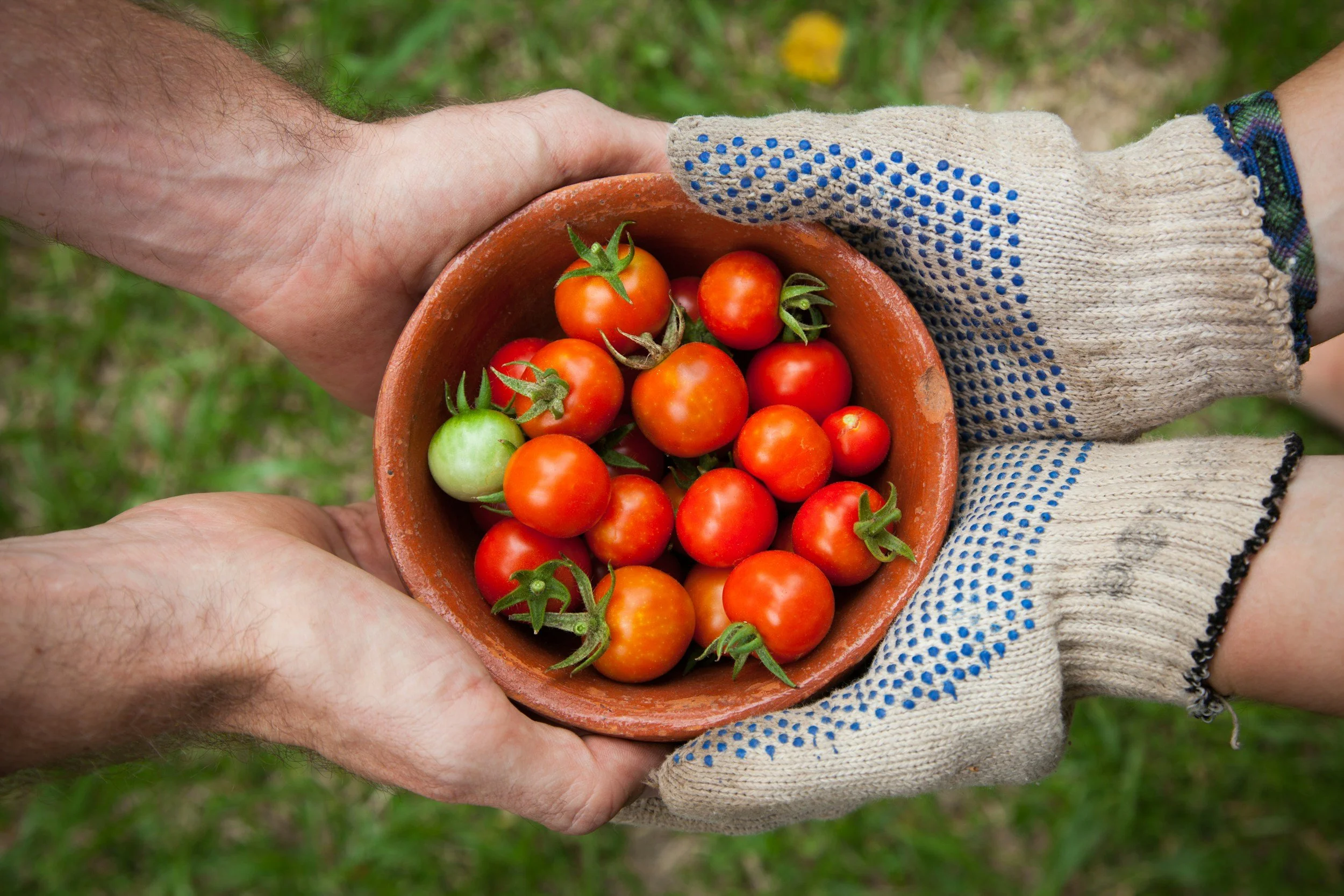
I like knowing where my food is coming from. I like getting a chance to meet the people who grew it. I like to put my money back into a local, small business that needs that money to survive and thrive. Often, a CSA will have other opportunities available as well. Usually you can visit the farm and there might be other activities that they do all year. My current CSA welcomes visitors during working hours and they also have an annual BBQ where all the members are invited to come together and enjoy the food and farm and get to know the other people that are a part of the CSA. In the area that we live in Southwest Virginia, I have used 3 different CSA’s. They were all fantastic! The only reason I ever left a CSA or switched to another one was based on my particular circumstances, finances, or the ease with which I could pick up my veggies. I have never been disappointed when I belonged to a CSA.
Shout out to my current CSA Riverstone Organic Farm! If you are local, go and check them out.
I hope this will encourage you to look into a CSA in your area. If you do, let me know! Sadly, not everyone has access to them. But, they have become a lot more common in recent years and the more support they get, the more we’ll see them around.

What Produce Is In Season and How to Use It
February Produce and How to Prepare It.
You may occasionally run across those “in season” produce lists and think “awesome…now what? Do I just go buy everything on the list and start snacking on it? My family hasn’t ever tasted (or heard of) some of these things!” What makes in season produce better than just buying whatever produce you want whenever you want? We’ll discuss that and what to do with the food once you bring it home.
It’s February and here I’ll share a list of produce that’s at its peak of freshness now. But first, why not buy tomatoes this time of year? In short…because they are disgusting! Haha! People 50 years ago and previous usually only had available to them at the market what could be grown in their region at that time of year. Now, we get food shipped from all over or grown in greenhouses during winter. Don’t get me wrong, greenhouse food can be perfectly delicious and healthful and it helps extend the growing season. And, one perk of getting food shipped from far away is that we have access to bananas, avocados, kiwis, etc. up in the more Northern areas where we can’t grow them at any time of year. But, the problem is that most out of season food is shipped from quite a long distance and it is more expensive and tastes so much less delicious than it would if it were in season. With “in season” produce, you save money (this is one of the simplest and most cost effective ways to support your health every day), usually it’s harvested closer to home and therefore retains it’s nutrients far better than the stuff sent across the country. The sooner you eat a food after it’s been picked, the more nutrients it retains.
So, without further ado, what’s in season in February?
Arugala
Asparagus
Asian Pears
Beets
Bok Choy
Carrots
Kale
Pretty much all citrus (grapefruit, clementines, tangerines, etc)
Sprouts
Brussells Sprouts
Broccoli
Fennel
Radishes
Ok, so that list looks great, but what do you do with these foods once you bring them home?
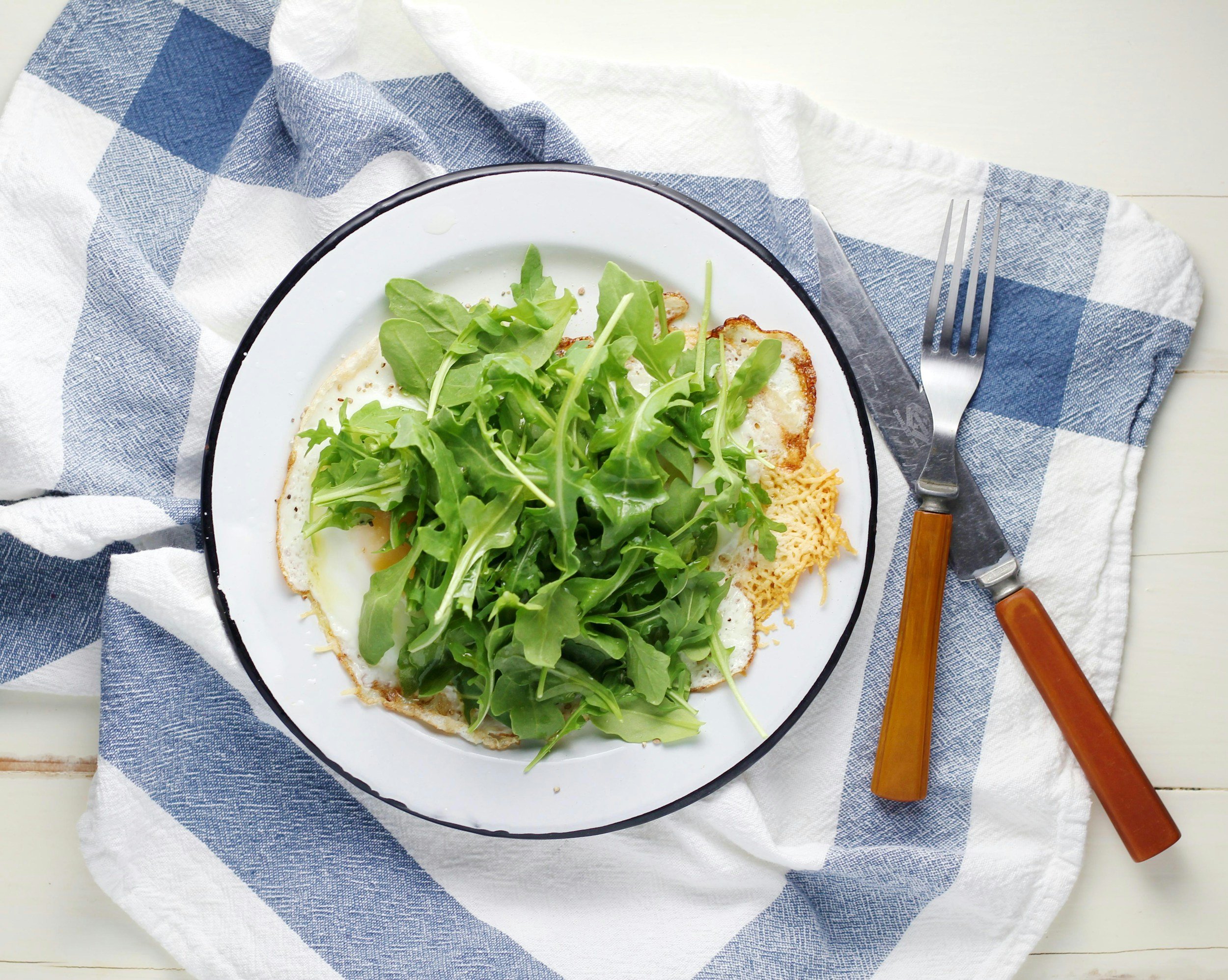
Arugula ~ I absolutely love arugula!! Yes, it can be a bit of an acquired taste. I certainly didn’t love it as a young person. It’s a fairly delicate leafy green with a peppery, herby, sharp flavor. If you are new to arugula and don’t want to be overwhelmed by the flavor, start with a handful or two torn up and thrown into a salad or put a few leaves on a sandwich to add a bit of zip. Once you become more used to the flavor, you can use it raw with a bit of olive oil, lemon and salt as a base for a fried egg, some roasted veggies, or add it to any kind of “bowl” type meal you want. I also sometimes just grab a handful, tear it up to release the flavor and aroma, lightly dress it and have it as a side dish with pretty much anything. It’s great for the liver, too! As is any bitter green or herb.
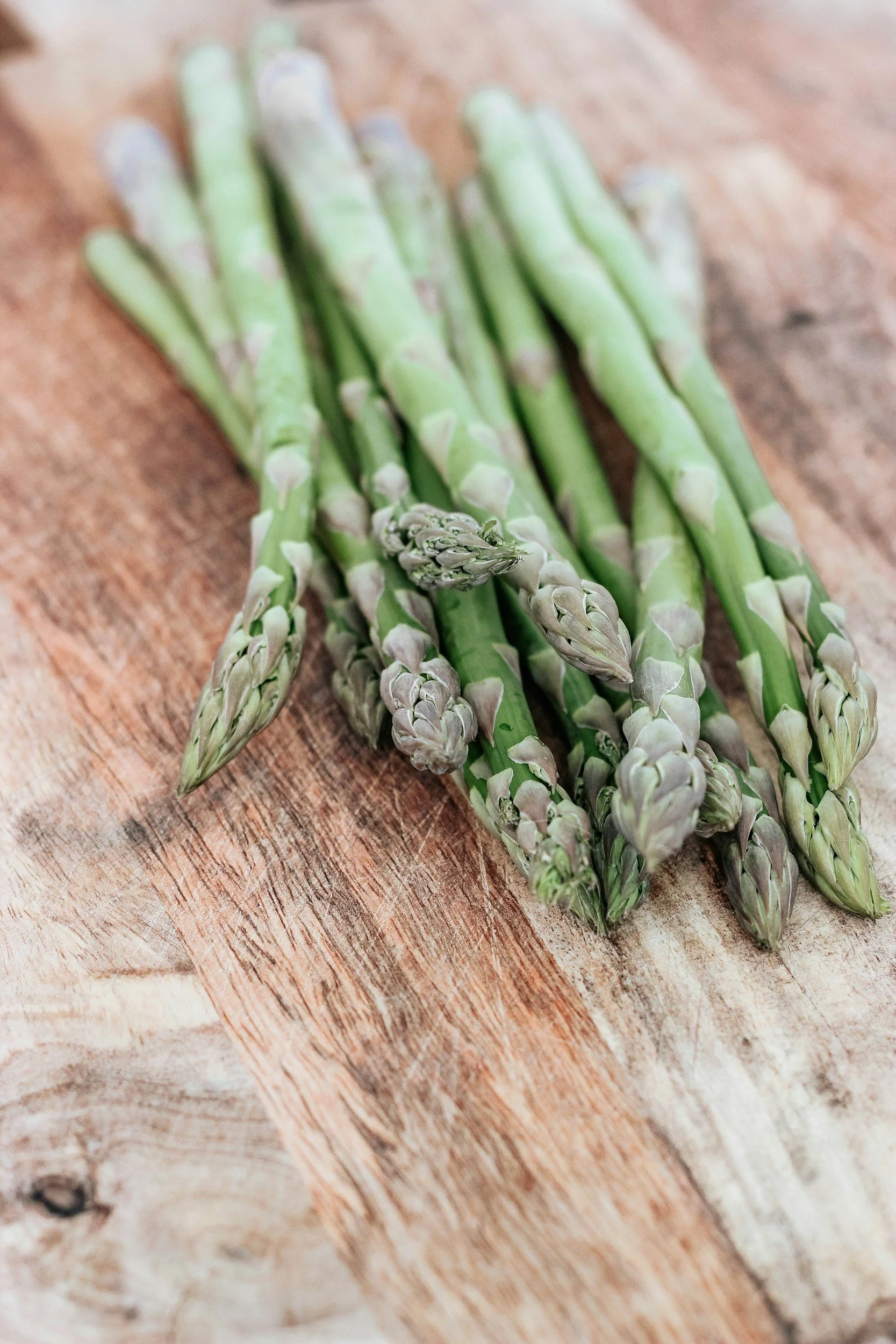
Asparagus ~ Ok, this is one of my all time favorite veggies and it has such a short season, I try to snatch it up as often as I can in early spring. I’ve always looked for thin stalks because the bigger ones seem too overgrown and woody, but I heard recently that you actually want to look for thicker stalks and that they have more flavor and are less stringy. So, a bit of trial and error may be needed here. Now, the truth is, asparagus isn’t cheap. But, if you buy it in season and use it as an accent to your meal, it’s well worth the price if you can manage it. Asparagus is best prepared very simply…snap off the base of the stem where it naturally breaks and that will remove the tough woody part, then I like to snap each piece into 2-3” bites. You can blanch it briefly in boiling salted water till it’s bright green, stick in an ice bath for a minute, then dress it with olive oil, lemon, and salt and pepper. It’s also fantastic chopped raw into a salad and even roasted in the oven (where it gets all crispy and caramelized)! These are another fantastic cleansing vegetable that supports detoxification and the liver, plus they are loaded with B vitamins.
Asian Pears ~ I’ll admit, these aren’t my favorite, but a lot of people love asian pears. So, if you’ve never tried them, find out for yourself what you think. They are kind of like a cross between an apple and pear in texture and appearance. They have a crunchy texture and a delicate, honey-like flavor. They can just be cut into slices and snacked on the way you might eat an apple. Or they can be sliced and thrown into a salad.
Beets ~ Many people seem to dislike beets, but I think they are great and my three year old son thinks they are amazing! Beets are fairly versatile…you can cube them, toss them in olive oil, herbs, salt and pepper, then roast them. Or you can shred them up and toss with olive oil, lemon, and salt as a simple, fresh, slightly sweet and crunchy side dish to whatever meal you are serving. Beware…they stain everything! Another great thing about beets is that often you’ll find them with the greens still attached, especially if you are getting veggies from a local CSA or farmers market. The greens can be steamed, blanched, sauteed and eaten similarly to how you’d eat fresh spinach. I think they have an excellent and not too bitter flavor. Beets reduce inflammation, are low in calories, high in fiber, and improved blood flow. *A word of warning about beets…they can loosen the stool a little bit and don’t freak out if what you see in the toilet is RED! It can happen for about 24 hours after eating beets and I know many people, including myself, who have had a small panic attack when they go to the bathroom and think they might be dying! Eeek!
Bok Choy ~ This is a vegetable that is a bit newer on my radar, but my family and I have been enjoying it for a couple of years now. It has a sort of bulbous, white, crunchy base and more of a delicate, leafy green top. They can be eaten raw to enjoy the fresh, watery, crispy bits. Or you can sauté them in an asian inspired stir-fry or bowl of some type. One of my favorite recipes for Lions Head Meatballs has you braise them in a delicious umami broth. Packed with vitamin C, they can help you have a strong immune system through these winter months when the flu seems to be everywhere.
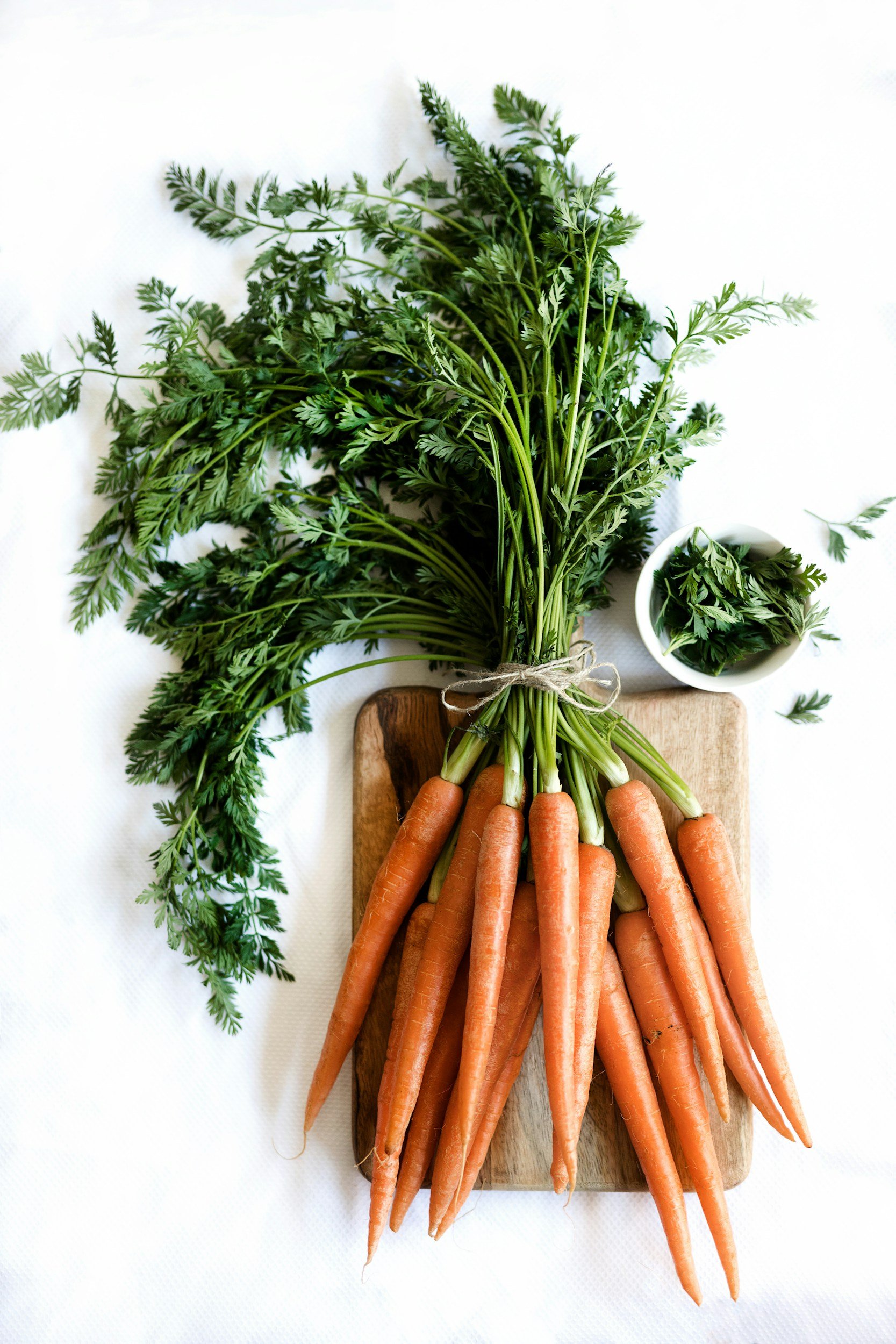
Carrots ~ They are obviously a good old fashioned standby vegetable. Some people love them and some hate them. I know a lot of people who don’t like them cooked. I do! But, I just discovered my son will eat them if they are raw and he can just chow down on them while I’m making dinner. There are a myriad of ways to prepare them and you probably have your favorite. But, just to throw a few ideas out there, you can…shred and use them to bake carrot cake or healthy carrot muffins, dice them and throw in soups, stews, and tray bakes, shred and toss with dressing for a little slaw (like I mentioned with the beets) or you can toss the shreds into an actual coleslaw or hide them in meatloaf or meatballs. Often times, fresh, locally grown carrots taste a lot sweeter and less bitter than the ones you find at the grocery store. Of course, they are known to be good for the eyes, excellent source of fiber, and they are good for your skin.
Kale ~ This dark leafy green veggie has gotten a lot of hype in the last decade or so. But, it deserves it! Prepared properly, it can be delicious and it’s so good for your health! You can make crispy kale chips, which kids love, very simply in the oven. I have recently learned from Samin Nosrat that you can/should boil them for a bit before sauteing and tossing into a pasta dish or other meal you are making. It takes the toughness away and makes them so tender and delicious. Some people like to eat kale raw in salads, I’m not much of a fan of this. It’s just too tough for me. But, you do you! I have heard that you should massage the kale in the salad making process to make it more tender. It’s pretty much an overall health tonic, but one note for those with thyroid problems…kale is a goitrogen and can interfere with iodine uptake. If you have a thyroid problem, it would be best to cook your kale and any other cruciferous veggies before you eat them.
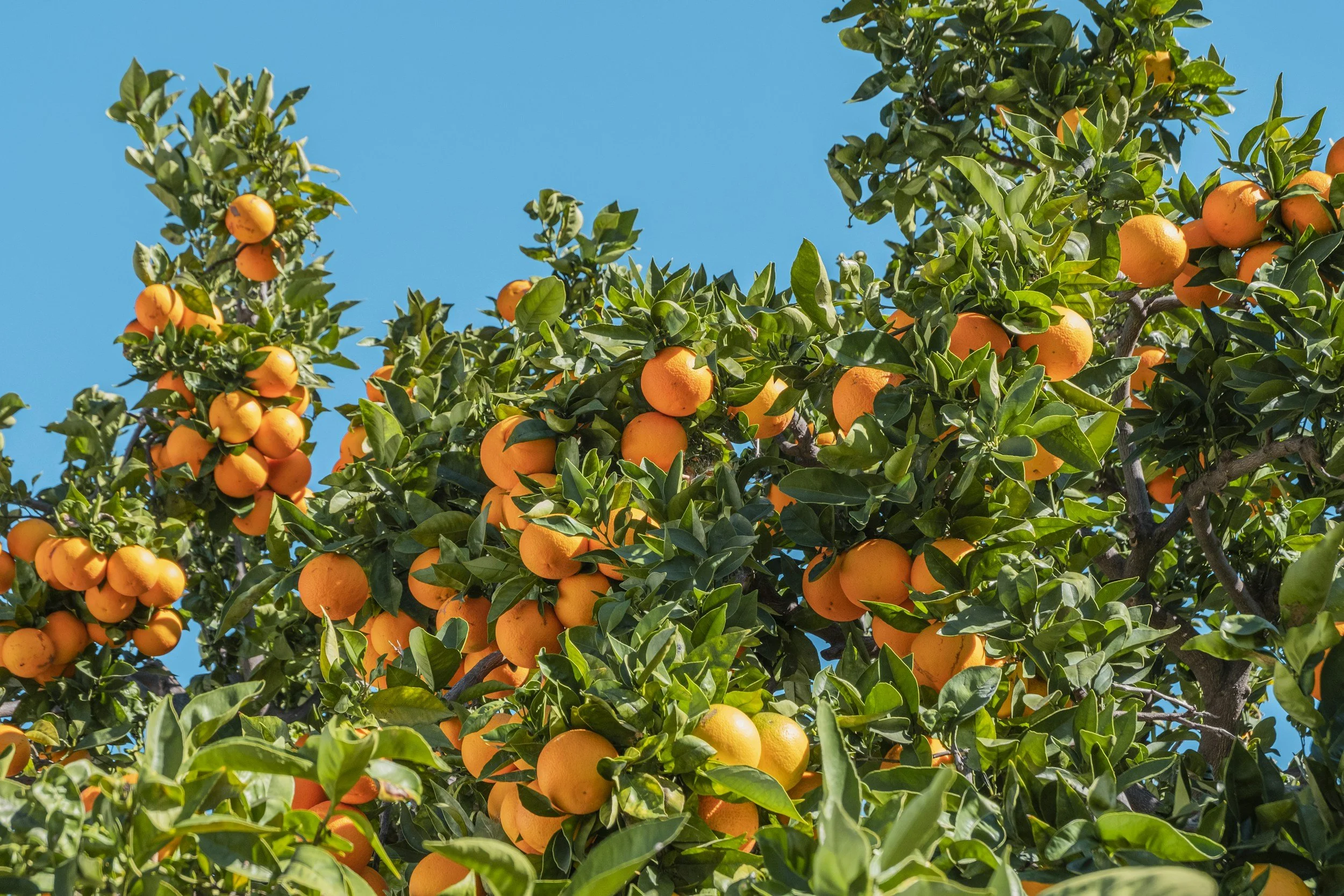
Citrus~ This is a fun one! Most everyone seems to like oranges, lemons, limes, clementines, etc. And you probably know how to eat them. Ha! So, you don’t need much guidance here. But, an interesting health tidbit…we all know that citrus is high in vitamin C, but now research is showing that it seems to be able to combat depression. Not just the bright and happy smell of the essential oils as you peel a citrus fruit, but the actual fruit when eaten it appears to feed your microbiome and helps your body to produce serotonin and dopamine.
Sprouts~ These little guys might not look or taste like much, but they are nutritional power houses! You can eat any kind of vegetable sprouts you want, but broccoli sprouts are the superheros of this group. They all contain concentrated amounts of the vitamins and minerals that will become the whole plant. So, eating a few tablespoons of sprouts is kind of like getting the same nutrition you’d get from eating a whole head of broccoli! Because they barely taste like anything, you can easily add them to smoothies, salads, sandwiches, or as a pretty little topping for any meal. Your family and friends will think you are so fancy and you will know they are getting the health benefits!

Brussels Sprouts~ These cute mini cabbages are still quite a controversial veg. I think in recent years enough restaurants and chefs have shown us how delicious brussels sprouts can be, but for those of you who were traumatized by this humble, somewhat bitter food in childhood…you may still need some convincing. Firstly, DO NOT…I repeat, DO NOT buy frozen or canned brussels sprouts!! In my humble opinion, there is just no way to make those things good. So, fresh only please. Second, they can take a bit longer to prepare than other veggies..so plan accordingly. My preferred methods are shredding them raw as a part of a delicious salad or cutting them in half and roasting them till they are crispy and so delicious. There are tons of great recipes out there, often featuring bacon or balsamic vinegar or honey…these things tone down the bitterness of the sprouts.
Broccoli~ Another very familiar vegetable. But, why not try it a different way this season? If you always steam it, you could roast it in a sheet pan meal for a delightful crunch. Or chop it up raw to add to a salad. Try peeling the stems and cutting into sticks to dip and snack on while you’re making dinner. Kids often will nibble on these types of crudité before dinner if it’s available to them, especially if they haven’t been snacking all day long and they are a bit hungry before dinner. * This is another goitrogenic food, so hypothyroid girlies beware and eat them cooked most of the time.
Fennel~ Ok, fennel might be one that you are less familiar with, at least here in the states. It’s got a white bulbous bottom and tall stalks that look kind of like celery and they are topped by a wild hairdo of delicate fronds. The whole plant smells and tastes delicately of licorice. I find the stems are often too tough for my liking. You can very thinly slice the bulb to add to salads. Or chop and throw in soup for an added depth of flavor. The fronds can be finely chopped and used as a delicate herb to top your soup or salad.
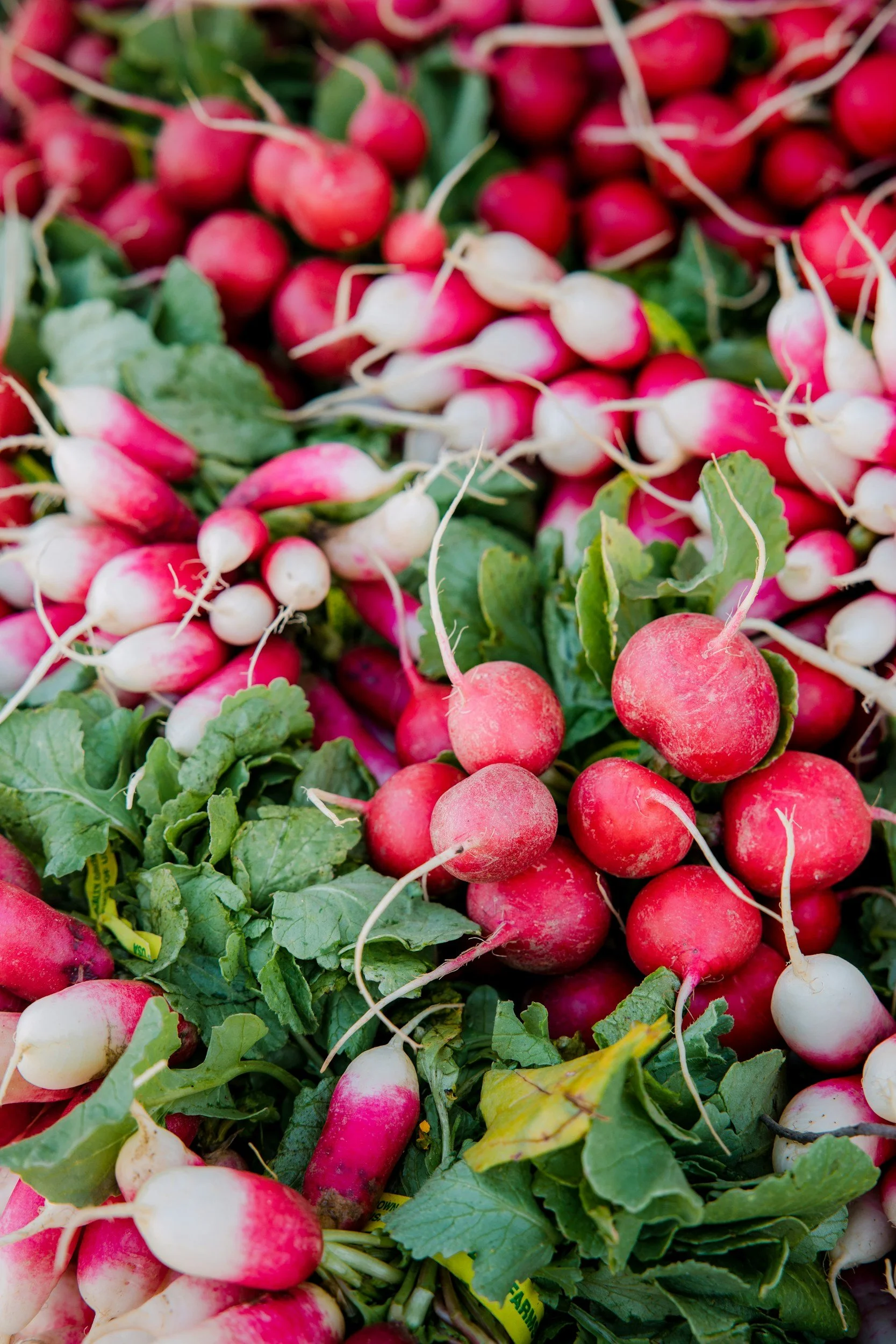
Radishes~ These add a crunch and bit of spiciness to salads, sandwiches, and snack plates. For a milder take, try tossing them in a roasting pan with your other root veggies and they will come out soft and sweeter.
As you can see, even in February in the Northern Hemisphere, we have quite a variety of seasonal produce to choose from! Did you find something you’d like to try? Why not go out this week and see what you can find to jazz up your meals and keep you healthy, as well? I would love to hear in the comments what your favorite seasonal produce is and how you enjoy preparing it.


Welcome!
Introduction

Hello friend! My name is Sabrina and I am an Integrative Health Practitioner. I live in the mountains of Southwest Virginia with my husband of 24 years and our beautiful, high spirited 3 year old son along with our gorgeous but very silly Whippet. We live in a big old house that was built in the 1870s and has loads of character but definitely could use some TLC. I am a 43 year old mom and homemaker, while also working part time as a health coach. I love to read, knit, and I’m always learning. If you’d like to read more about my story and how I got to this career path, check out my “About” page.
I am a certified health coach. That means, I am not a doctor and I have no medical training. I do not diagnose, treat, or cure disease. I certainly believe there is a place for conventional medical treatment! But, often people find when it’s not a true emergency that they are put on prescription after prescription for chronic or minor health problems, while getting no real answers to their questions. Or they are left feeling dismissed and with less money in their pockets.
What I can do for you is offer my expertise as a health coach, guide, and teacher to aid you in your endeavors to uncover root cause issues with your health. I direct you towards finding the answers about why you may not be feeling your best and what you can do to get your vitality back. You are in the driver’s seat and you are the one that is going to make the changes that bring you closer to a life you love and a body that you can feel good about! It’s my job to empower and support you, share information, offer practical steps in a bite sized format, give you an idea of which direction to go, and cheer you on with each win, so you can make the best decisions for you. My education is from the Integrative Health Practitioner Institute. I am always learning and growing, I never plan to stop my education so that I can better help myself, my family, friends, and clients.
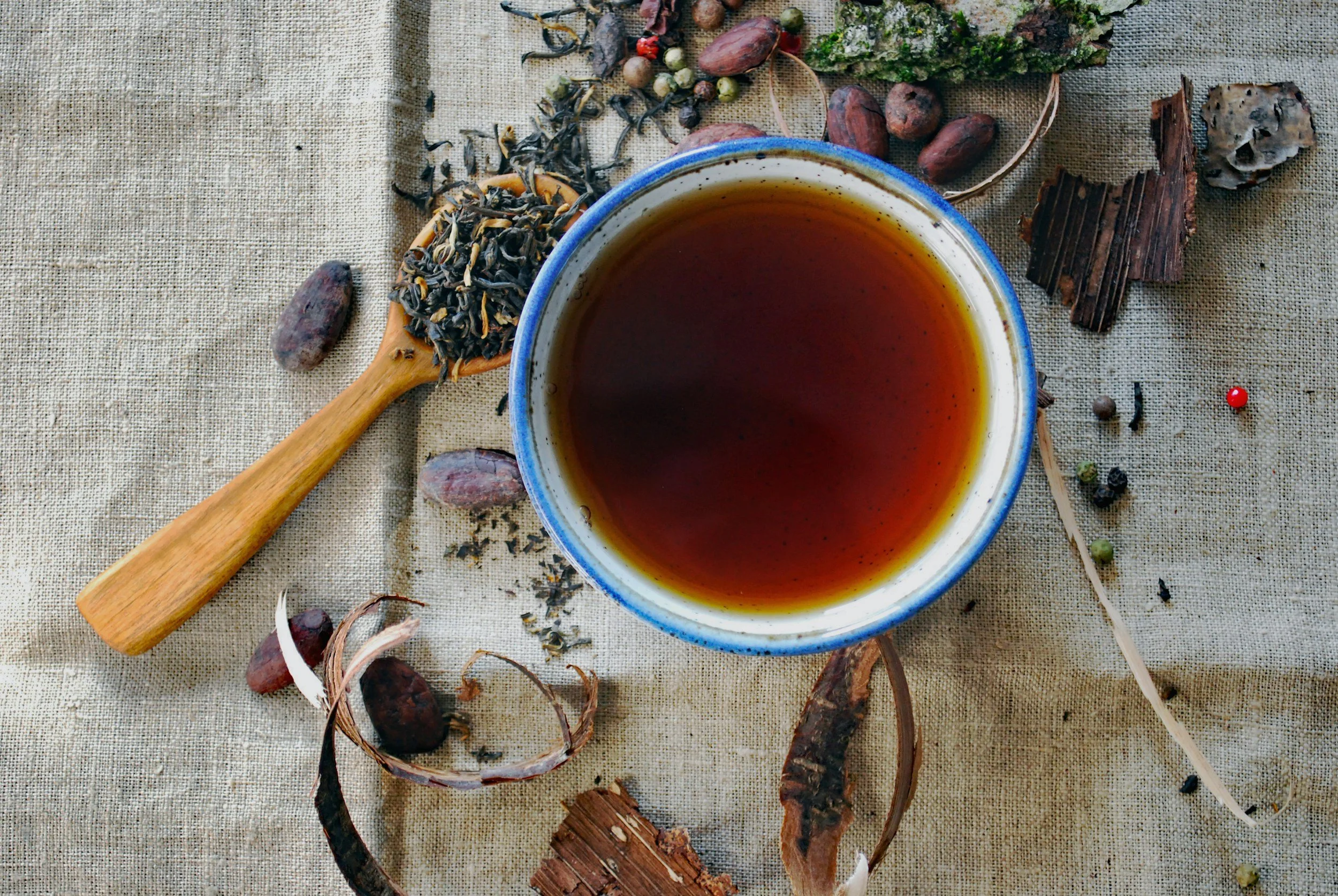
Many of us know by now that healing isn’t a linear journey. We take 2 steps forward and 1 step back sometimes. But, it’s the moving forward and not getting stuck that matters. Some of the ways I help others in their health journey are by taking on one-on-one clients, in which I do a completely personalized program addressing…
Diet
Exercise
Stress
Toxin Removal
Rest
Emotional Balance
Supplements
Success Mindset
I assess the client’s wellness goals and help them reach them. This starts out as a 3 month program and can be extended based on the clients needs. You can find out more information about my personalized coaching by scheduling a free discovery call with me, just click the “Get Started” button at the top of the page. From there I'll be able to assess if we are a good fit to work together, based on your needs. I am just one part of your wellness team and I can help you find any other needed practitioners that will aid you in your health journey.
The other way I hope to help you is with this blog! I plan on sharing:
healthy eating tips
cooking and recipes
low tox living
education on supplements and biohacking tools
sharing products I love
A few personal lifestyle tidbits
and more!
I hope you will join me on this new adventure, so that I can help you live everyday with vitality!