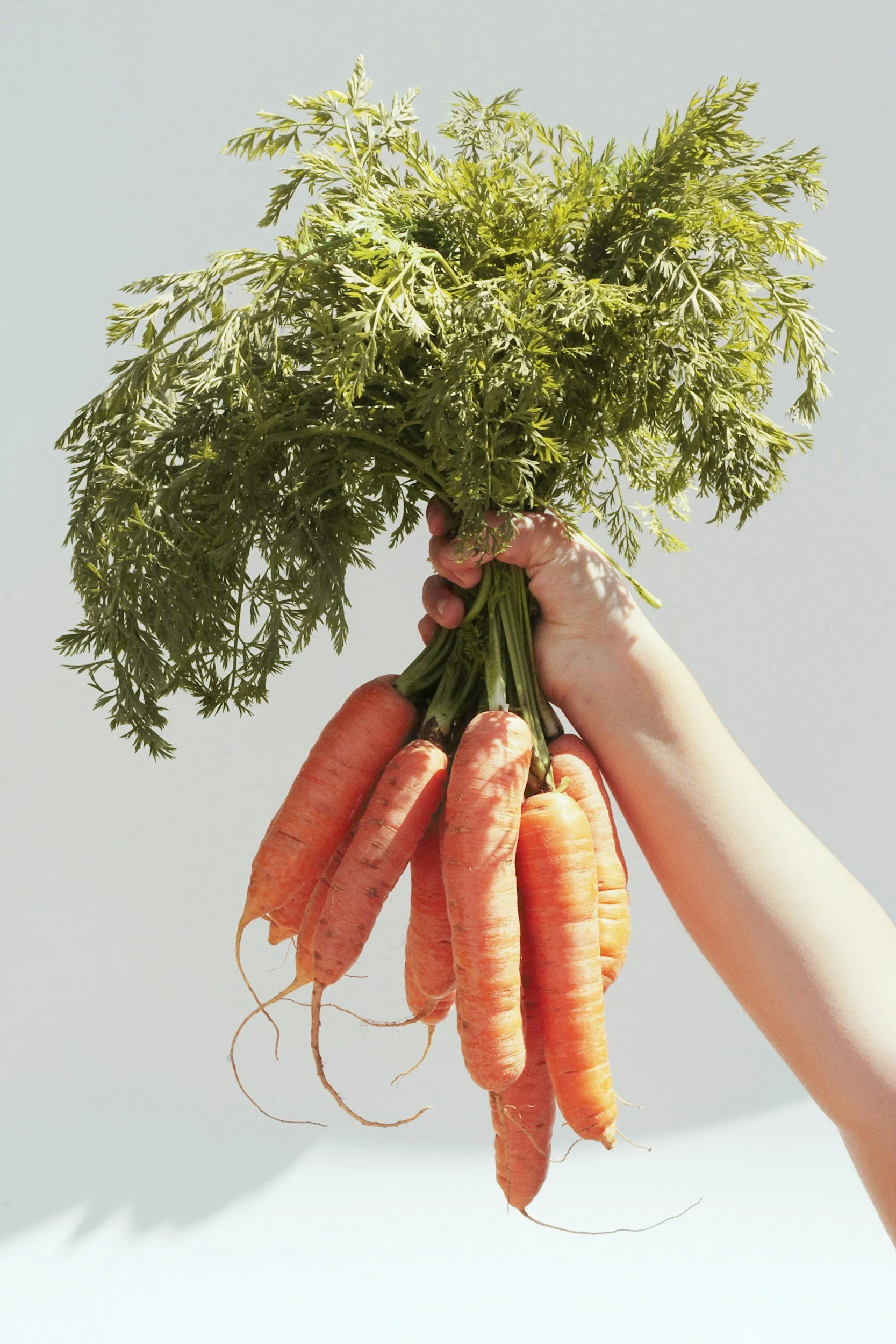
You may occasionally run across those “in season” produce lists and think “awesome…now what? Do I just go buy everything on the list and start snacking on it? My family hasn’t ever tasted (or heard of) some of these things!” What makes in season produce better than just buying whatever produce you want whenever you want? We’ll discuss that and what to do with the food once you bring it home.
It’s February and here I’ll share a list of produce that’s at its peak of freshness now. But first, why not buy tomatoes this time of year? In short…because they are disgusting! Haha! People 50 years ago and previous usually only had available to them at the market what could be grown in their region at that time of year. Now, we get food shipped from all over or grown in greenhouses during winter. Don’t get me wrong, greenhouse food can be perfectly delicious and healthful and it helps extend the growing season. And, one perk of getting food shipped from far away is that we have access to bananas, avocados, kiwis, etc. up in the more Northern areas where we can’t grow them at any time of year. But, the problem is that most out of season food is shipped from quite a long distance and it is more expensive and tastes so much less delicious than it would if it were in season. With “in season” produce, you save money (this is one of the simplest and most cost effective ways to support your health every day), usually it’s harvested closer to home and therefore retains it’s nutrients far better than the stuff sent across the country. The sooner you eat a food after it’s been picked, the more nutrients it retains.
So, without further ado, what’s in season in February?
Arugala
Asparagus
Asian Pears
Beets
Bok Choy
Carrots
Kale
Pretty much all citrus (grapefruit, clementines, tangerines, etc)
Sprouts
Brussells Sprouts
Broccoli
Fennel
Radishes
Ok, so that list looks great, but what do you do with these foods once you bring them home?
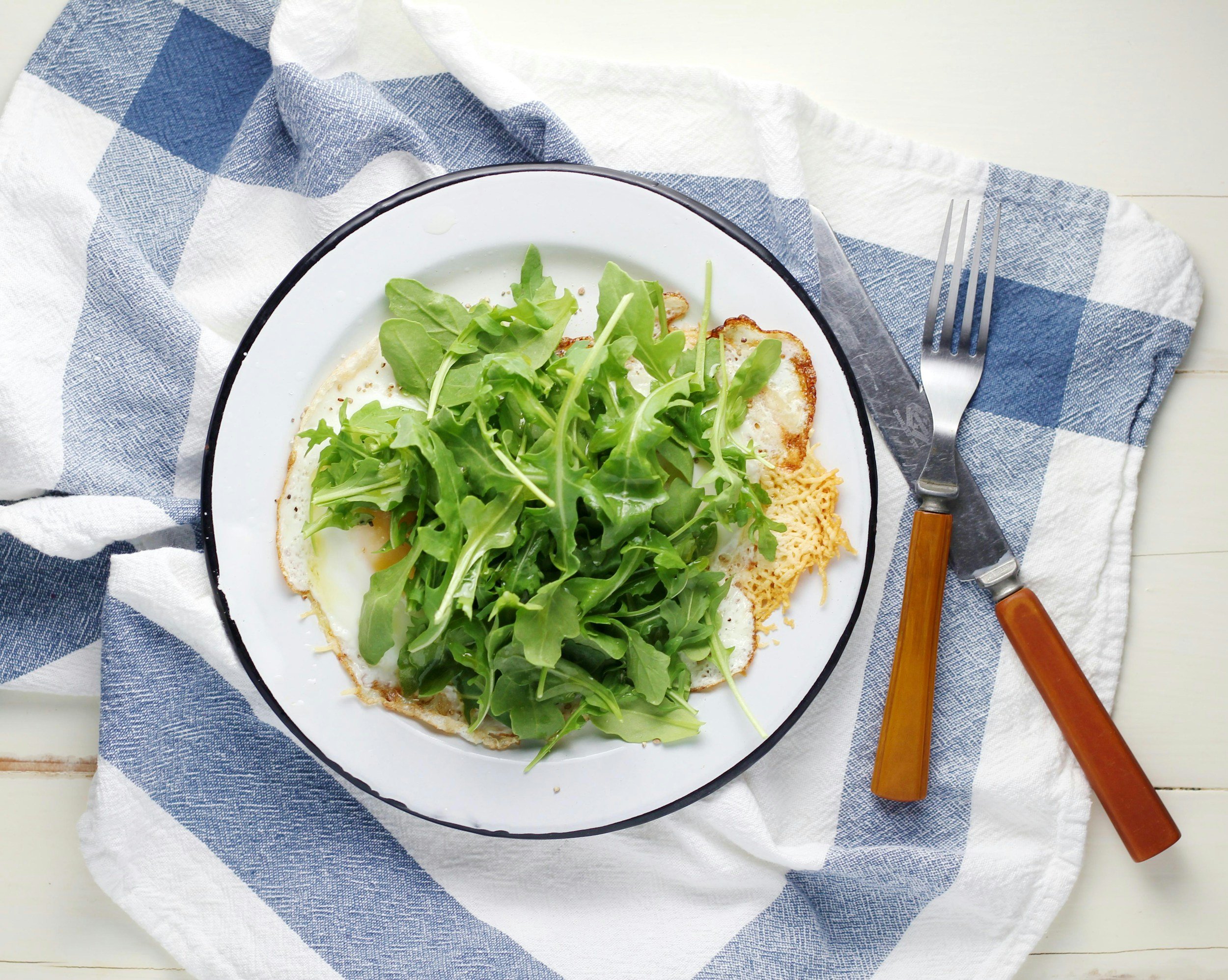
Arugula ~ I absolutely love arugula!! Yes, it can be a bit of an acquired taste. I certainly didn’t love it as a young person. It’s a fairly delicate leafy green with a peppery, herby, sharp flavor. If you are new to arugula and don’t want to be overwhelmed by the flavor, start with a handful or two torn up and thrown into a salad or put a few leaves on a sandwich to add a bit of zip. Once you become more used to the flavor, you can use it raw with a bit of olive oil, lemon and salt as a base for a fried egg, some roasted veggies, or add it to any kind of “bowl” type meal you want. I also sometimes just grab a handful, tear it up to release the flavor and aroma, lightly dress it and have it as a side dish with pretty much anything. It’s great for the liver, too! As is any bitter green or herb.
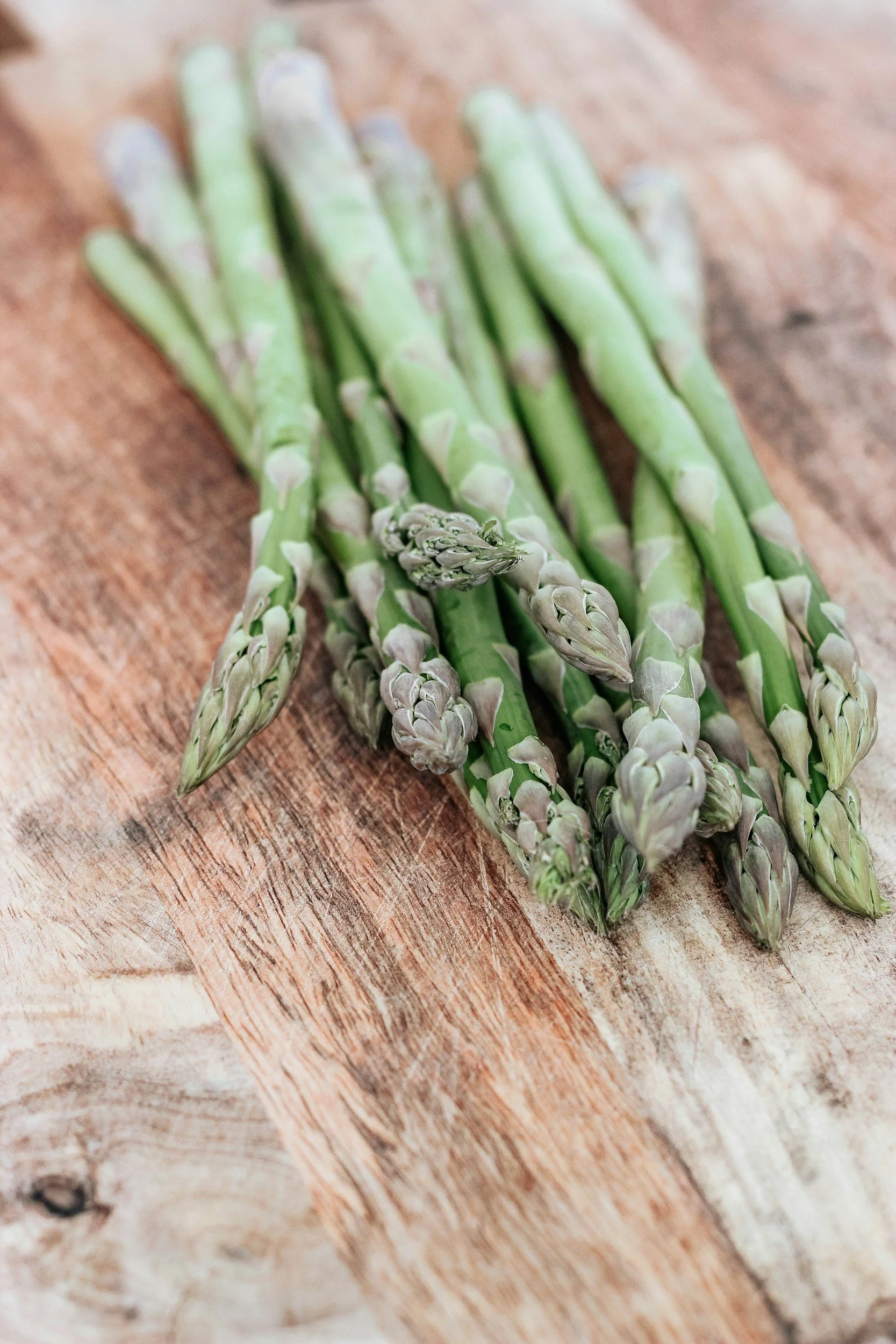
Asparagus ~ Ok, this is one of my all time favorite veggies and it has such a short season, I try to snatch it up as often as I can in early spring. I’ve always looked for thin stalks because the bigger ones seem too overgrown and woody, but I heard recently that you actually want to look for thicker stalks and that they have more flavor and are less stringy. So, a bit of trial and error may be needed here. Now, the truth is, asparagus isn’t cheap. But, if you buy it in season and use it as an accent to your meal, it’s well worth the price if you can manage it. Asparagus is best prepared very simply…snap off the base of the stem where it naturally breaks and that will remove the tough woody part, then I like to snap each piece into 2-3” bites. You can blanch it briefly in boiling salted water till it’s bright green, stick in an ice bath for a minute, then dress it with olive oil, lemon, and salt and pepper. It’s also fantastic chopped raw into a salad and even roasted in the oven (where it gets all crispy and caramelized)! These are another fantastic cleansing vegetable that supports detoxification and the liver, plus they are loaded with B vitamins.
Asian Pears ~ I’ll admit, these aren’t my favorite, but a lot of people love asian pears. So, if you’ve never tried them, find out for yourself what you think. They are kind of like a cross between an apple and pear in texture and appearance. They have a crunchy texture and a delicate, honey-like flavor. They can just be cut into slices and snacked on the way you might eat an apple. Or they can be sliced and thrown into a salad.
Beets ~ Many people seem to dislike beets, but I think they are great and my three year old son thinks they are amazing! Beets are fairly versatile…you can cube them, toss them in olive oil, herbs, salt and pepper, then roast them. Or you can shred them up and toss with olive oil, lemon, and salt as a simple, fresh, slightly sweet and crunchy side dish to whatever meal you are serving. Beware…they stain everything! Another great thing about beets is that often you’ll find them with the greens still attached, especially if you are getting veggies from a local CSA or farmers market. The greens can be steamed, blanched, sauteed and eaten similarly to how you’d eat fresh spinach. I think they have an excellent and not too bitter flavor. Beets reduce inflammation, are low in calories, high in fiber, and improved blood flow. *A word of warning about beets…they can loosen the stool a little bit and don’t freak out if what you see in the toilet is RED! It can happen for about 24 hours after eating beets and I know many people, including myself, who have had a small panic attack when they go to the bathroom and think they might be dying! Eeek!
Bok Choy ~ This is a vegetable that is a bit newer on my radar, but my family and I have been enjoying it for a couple of years now. It has a sort of bulbous, white, crunchy base and more of a delicate, leafy green top. They can be eaten raw to enjoy the fresh, watery, crispy bits. Or you can sauté them in an asian inspired stir-fry or bowl of some type. One of my favorite recipes for Lions Head Meatballs has you braise them in a delicious umami broth. Packed with vitamin C, they can help you have a strong immune system through these winter months when the flu seems to be everywhere.
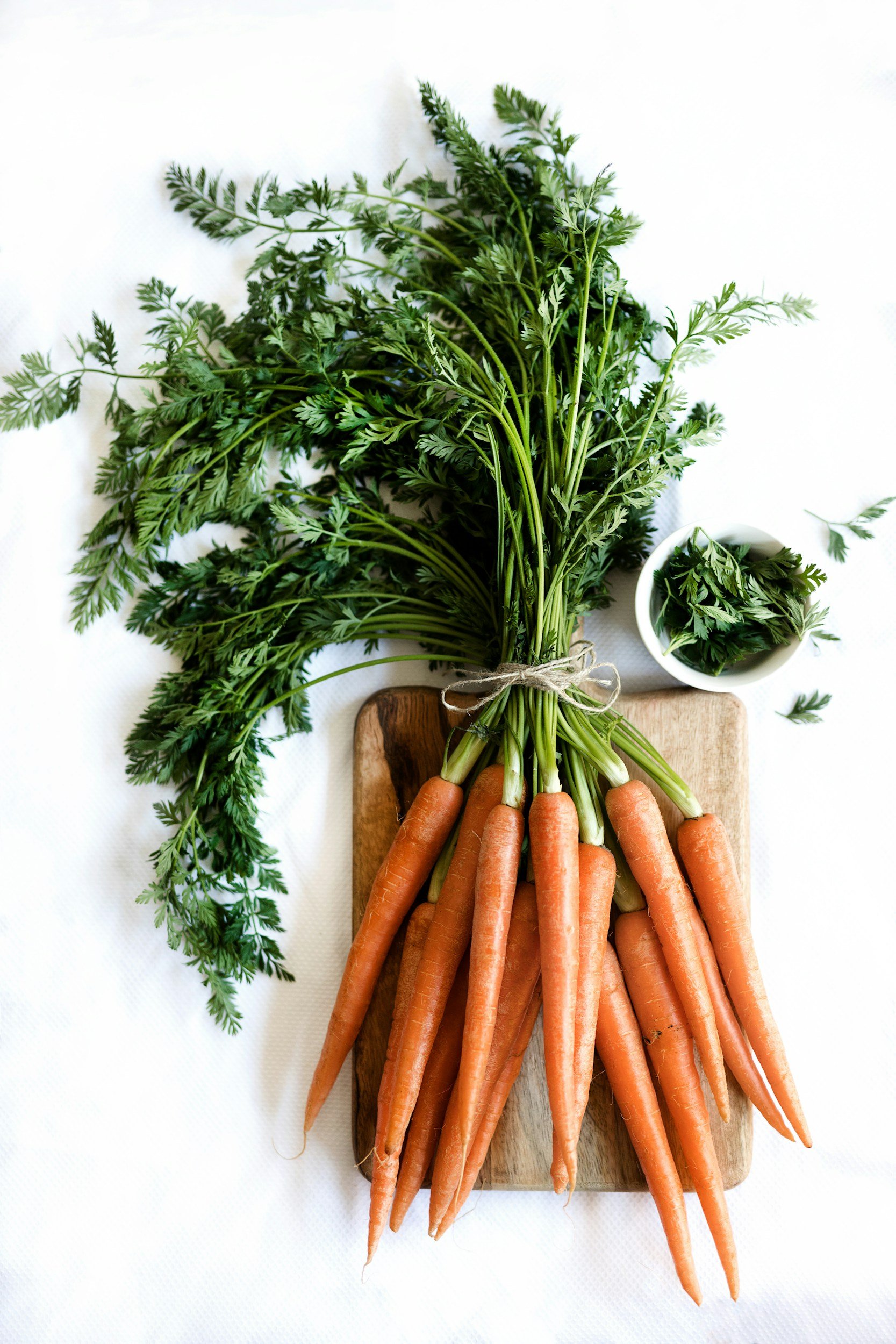
Carrots ~ They are obviously a good old fashioned standby vegetable. Some people love them and some hate them. I know a lot of people who don’t like them cooked. I do! But, I just discovered my son will eat them if they are raw and he can just chow down on them while I’m making dinner. There are a myriad of ways to prepare them and you probably have your favorite. But, just to throw a few ideas out there, you can…shred and use them to bake carrot cake or healthy carrot muffins, dice them and throw in soups, stews, and tray bakes, shred and toss with dressing for a little slaw (like I mentioned with the beets) or you can toss the shreds into an actual coleslaw or hide them in meatloaf or meatballs. Often times, fresh, locally grown carrots taste a lot sweeter and less bitter than the ones you find at the grocery store. Of course, they are known to be good for the eyes, excellent source of fiber, and they are good for your skin.
Kale ~ This dark leafy green veggie has gotten a lot of hype in the last decade or so. But, it deserves it! Prepared properly, it can be delicious and it’s so good for your health! You can make crispy kale chips, which kids love, very simply in the oven. I have recently learned from Samin Nosrat that you can/should boil them for a bit before sauteing and tossing into a pasta dish or other meal you are making. It takes the toughness away and makes them so tender and delicious. Some people like to eat kale raw in salads, I’m not much of a fan of this. It’s just too tough for me. But, you do you! I have heard that you should massage the kale in the salad making process to make it more tender. It’s pretty much an overall health tonic, but one note for those with thyroid problems…kale is a goitrogen and can interfere with iodine uptake. If you have a thyroid problem, it would be best to cook your kale and any other cruciferous veggies before you eat them.
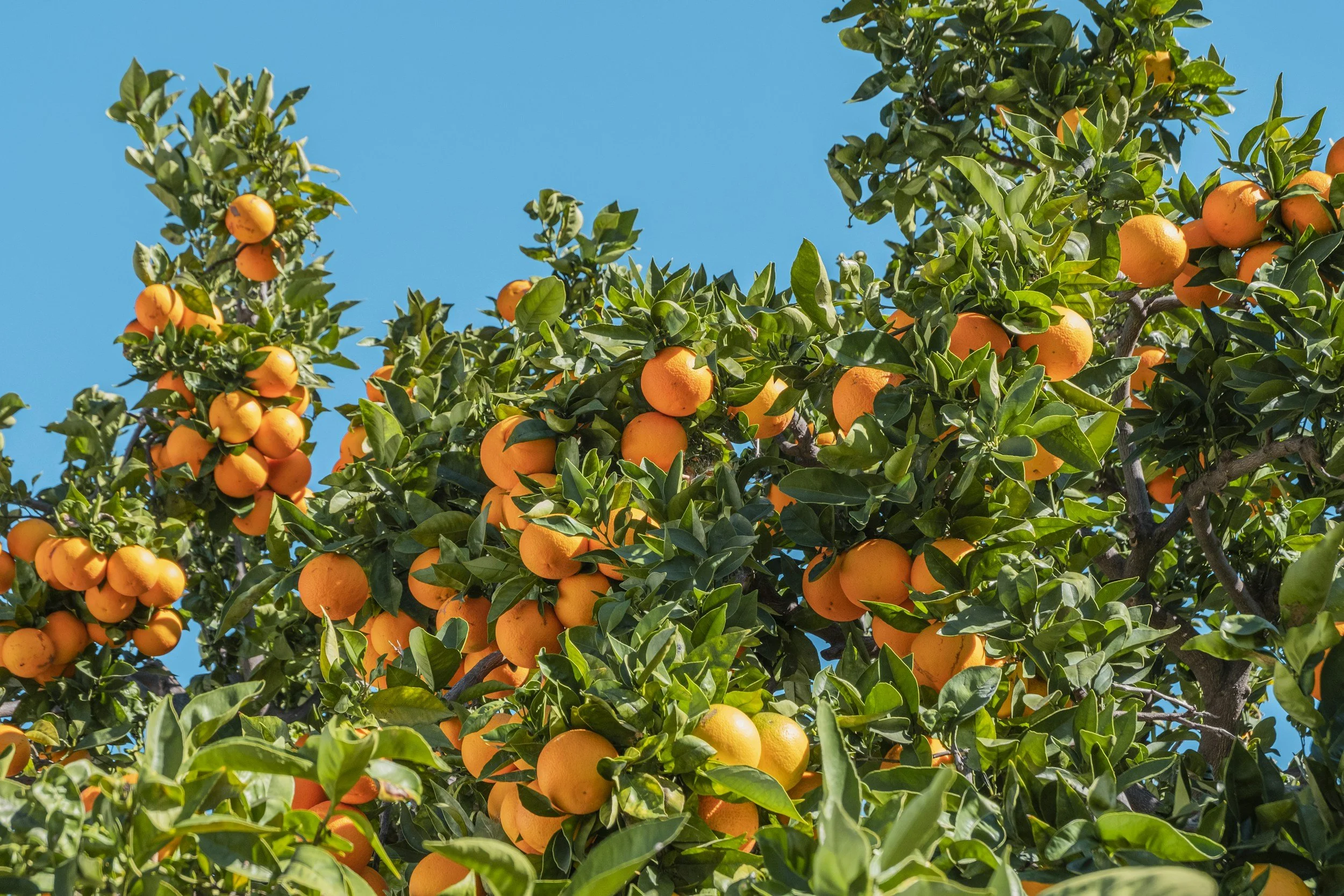
Citrus~ This is a fun one! Most everyone seems to like oranges, lemons, limes, clementines, etc. And you probably know how to eat them. Ha! So, you don’t need much guidance here. But, an interesting health tidbit…we all know that citrus is high in vitamin C, but now research is showing that it seems to be able to combat depression. Not just the bright and happy smell of the essential oils as you peel a citrus fruit, but the actual fruit when eaten it appears to feed your microbiome and helps your body to produce serotonin and dopamine.
Sprouts~ These little guys might not look or taste like much, but they are nutritional power houses! You can eat any kind of vegetable sprouts you want, but broccoli sprouts are the superheros of this group. They all contain concentrated amounts of the vitamins and minerals that will become the whole plant. So, eating a few tablespoons of sprouts is kind of like getting the same nutrition you’d get from eating a whole head of broccoli! Because they barely taste like anything, you can easily add them to smoothies, salads, sandwiches, or as a pretty little topping for any meal. Your family and friends will think you are so fancy and you will know they are getting the health benefits!
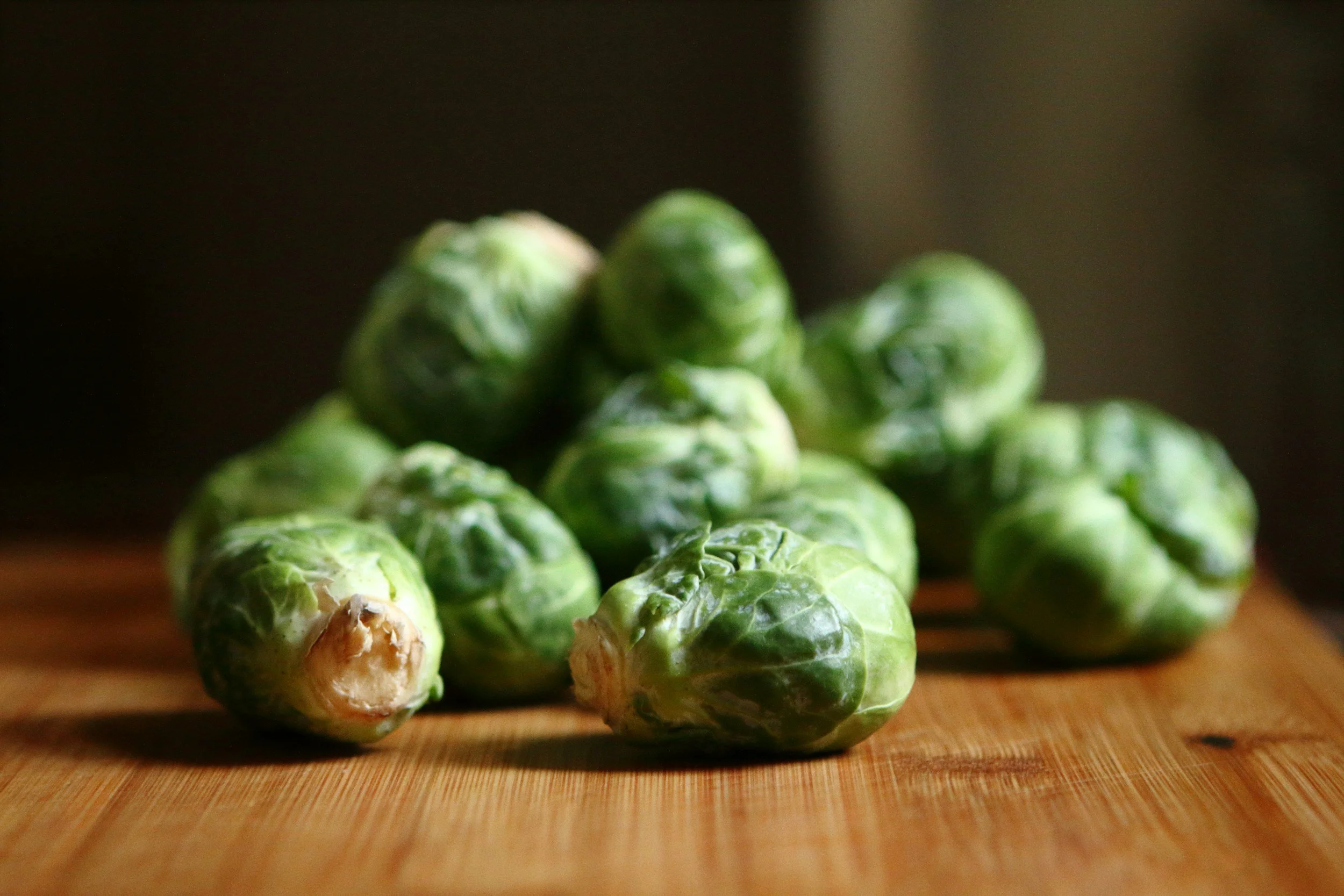
Brussels Sprouts~ These cute mini cabbages are still quite a controversial veg. I think in recent years enough restaurants and chefs have shown us how delicious brussels sprouts can be, but for those of you who were traumatized by this humble, somewhat bitter food in childhood…you may still need some convincing. Firstly, DO NOT…I repeat, DO NOT buy frozen or canned brussels sprouts!! In my humble opinion, there is just no way to make those things good. So, fresh only please. Second, they can take a bit longer to prepare than other veggies..so plan accordingly. My preferred methods are shredding them raw as a part of a delicious salad or cutting them in half and roasting them till they are crispy and so delicious. There are tons of great recipes out there, often featuring bacon or balsamic vinegar or honey…these things tone down the bitterness of the sprouts.
Broccoli~ Another very familiar vegetable. But, why not try it a different way this season? If you always steam it, you could roast it in a sheet pan meal for a delightful crunch. Or chop it up raw to add to a salad. Try peeling the stems and cutting into sticks to dip and snack on while you’re making dinner. Kids often will nibble on these types of crudité before dinner if it’s available to them, especially if they haven’t been snacking all day long and they are a bit hungry before dinner. * This is another goitrogenic food, so hypothyroid girlies beware and eat them cooked most of the time.
Fennel~ Ok, fennel might be one that you are less familiar with, at least here in the states. It’s got a white bulbous bottom and tall stalks that look kind of like celery and they are topped by a wild hairdo of delicate fronds. The whole plant smells and tastes delicately of licorice. I find the stems are often too tough for my liking. You can very thinly slice the bulb to add to salads. Or chop and throw in soup for an added depth of flavor. The fronds can be finely chopped and used as a delicate herb to top your soup or salad.
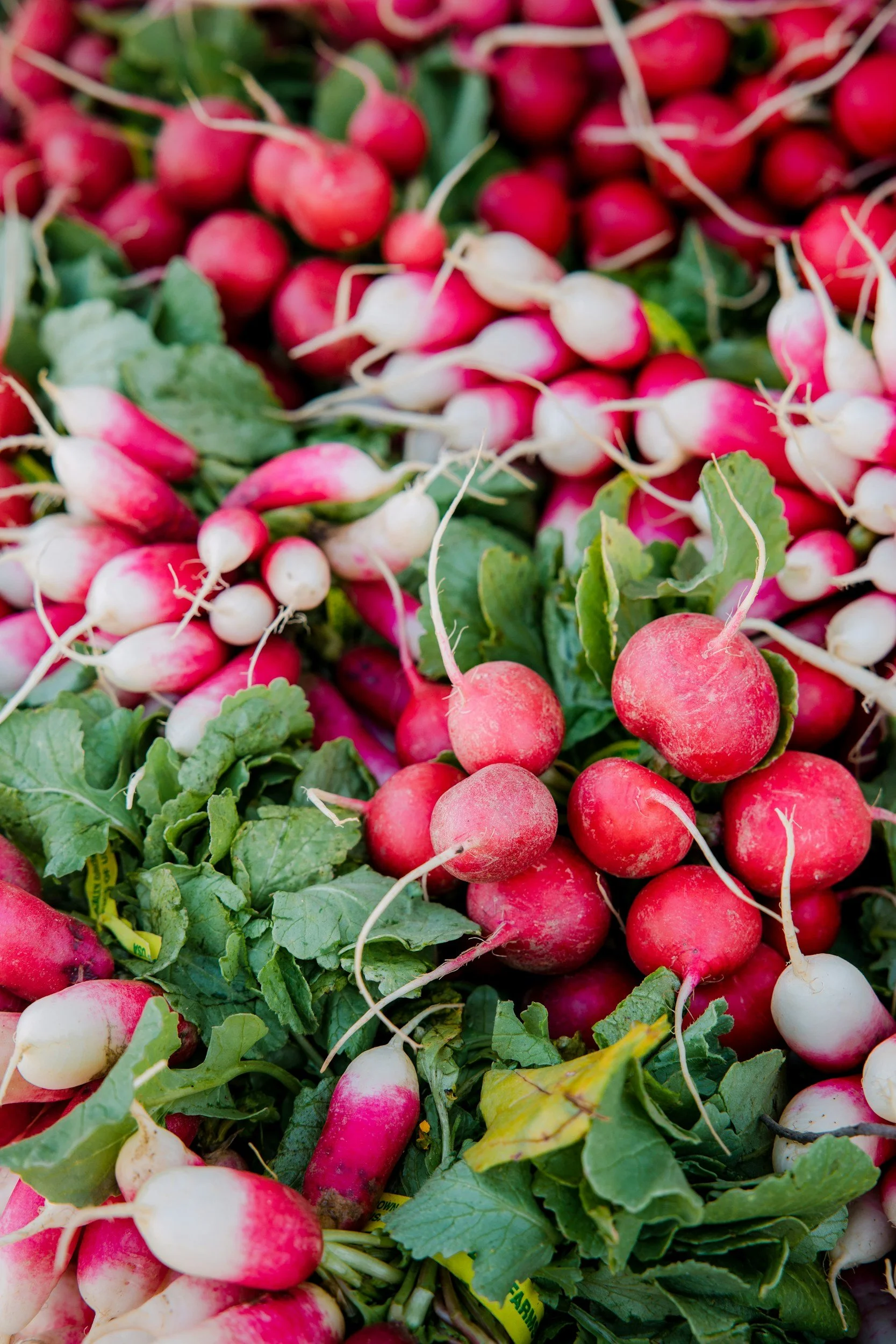
Radishes~ These add a crunch and bit of spiciness to salads, sandwiches, and snack plates. For a milder take, try tossing them in a roasting pan with your other root veggies and they will come out soft and sweeter.
As you can see, even in February in the Northern Hemisphere, we have quite a variety of seasonal produce to choose from! Did you find something you’d like to try? Why not go out this week and see what you can find to jazz up your meals and keep you healthy, as well? I would love to hear in the comments what your favorite seasonal produce is and how you enjoy preparing it.